
Aquilaria filaria
Aquilaria filaria
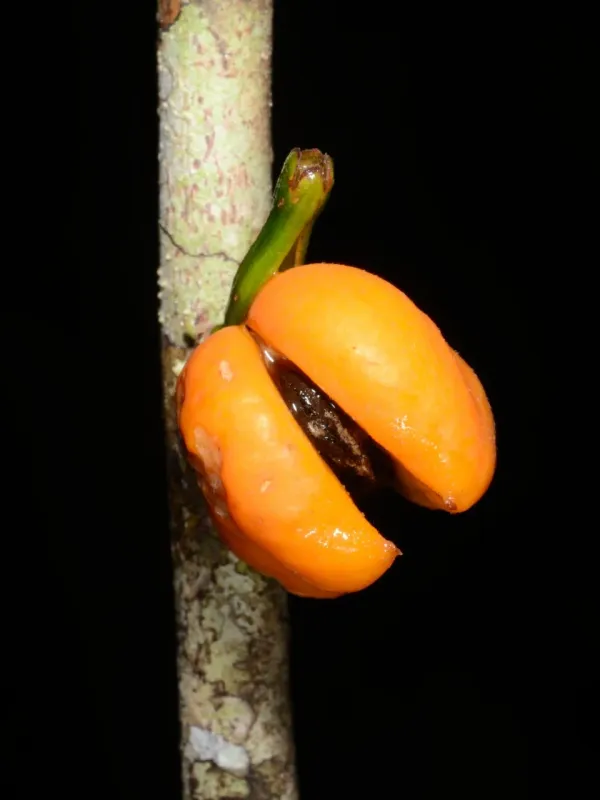
Description
Growing requirements
Aquilaria filaria is a distinguished member of the Thymelaeaceae family, native to the tropical forests of Southeast Asia. This evergreen species is internationally recognized for its biological capacity to produce agarwood, an aromatic resinous heartwood generated during the tree's defense mechanism.
The plant thrives in equatorial climates characterized by high humidity and consistent temperatures. It requires fertile, well-draining soils rich in organic matter to support its vertical growth, which can extend up to 20 meters in natural conditions.
Successful cultivation involves specific agricultural practices, including partial shading for juvenile trees to prevent dehydration. As the trees mature, they require sufficient canopy space to facilitate photosynthesis and promote healthy trunk development.
Water management is critical; the species requires stable soil moisture levels throughout the year. In commercial plantations, irrigation systems are often employed to maintain the high humidity levels necessary to emulate the natural rainforest environment.
The economic value of Aquilaria filaria is primarily derived from the extraction of oud oil and the trade of resinous wood pieces. These products are staple ingredients in the global luxury fragrance industry and traditional medicinal practices worldwide.
Main diseases and pests
Pathogenic fungi are central to the production of agarwood, yet they pose a significant threat to the survival of the host tree if infections become systemic or overly aggressive. Balanced management of these infections is the core challenge of modern cultivation.
Boring insects represent the primary pest risk for plantations, as they burrow into the stem and heartwood. These infestations can severely compromise the structural integrity and the aromatic quality of the harvested wood, requiring integrated pest management strategies to protect the crop.