
Aquilaria microcarpa
Aquilaria microcarpa
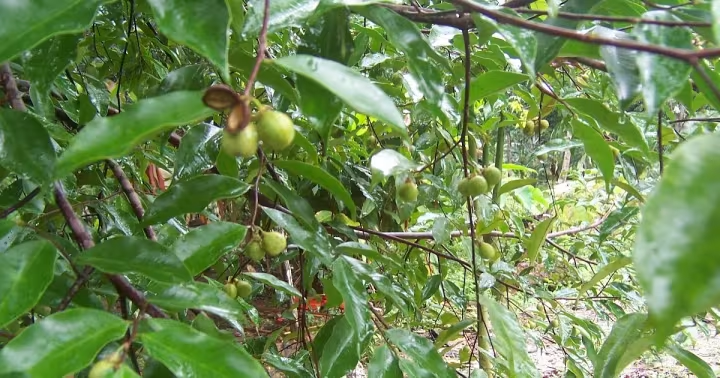
Description
Sowing dates
Propagation of Aquilaria microcarpa is primarily achieved through seeds, which exhibit high viability only if planted immediately after harvest. The seeds are delicate and lose their germination potential within a few days, requiring prompt processing.
In nursery settings, seeds are sown in well-drained trays filled with a sterile, porous medium. A light covering of soil is necessary to maintain moisture while allowing oxygen exchange during the initial germination phase.
Seedlings are nurtured in shaded environments to protect them from direct solar stress. Once they reach a height of approximately 40-50 centimeters, they are ready to be transplanted into the primary plantation site.
Transplanting is most successful at the onset of the rainy season to allow the roots to anchor firmly before the dry season begins. Proper spacing, typically 3x3 meters, is crucial to ensure optimal growth and air circulation.
Professional growers often use controlled nursery environments with misting systems to maintain the high humidity required for the early development stages of the Aquilaria microcarpa species.
Growing requirements
Aquilaria microcarpa belongs to the Thymelaeaceae family and thrives in tropical lowland environments. It requires consistent high temperatures, ideally between +22 and +30 degrees Celsius, throughout the year.
The species demands deep, nutrient-rich soils that possess excellent drainage capabilities. It is highly intolerant of waterlogged conditions, which can lead to rapid root decay and mortality in young trees.
A soil pH range of 5.5 to 7.0 is considered ideal for this tree. In areas where the soil is too clayey, land preparation must include raised beds or the installation of subsurface drainage channels.
Annual rainfall of 2000–3000 mm is preferred, with a preference for well-distributed precipitation. If the climate features a pronounced dry season, supplemental irrigation is mandatory to maintain tree vigor.
As a member of the forest canopy, the tree performs best in areas sheltered from strong winds. In open plantations, it is common to intercrop with other vegetation or establish perimeter windbreaks to mitigate damage.
Yield
The economic output of Aquilaria microcarpa is focused on the production of agarwood, a resinous heartwood formed in response to fungal infection. The resin is highly prized for its fragrance in perfumery.
Commercial plantations utilize artificial inoculation techniques to introduce specific fungi into the tree trunk. This process, initiated between 7 and 10 years of age, is the key factor in determining the quality and volume of the resin yield.
The harvest involves carefully selecting the resinous parts of the trunk. Skilled practitioners use specialized tools to minimize excessive damage, ensuring that the tree remains productive for future harvests.
The non-resinous wood has limited value, but the resin-infused portions command high prices on the global market. Yield efficiency is continuously improved through selective breeding and optimized inoculation methods.
Sustainability is a core component of modern agarwood agriculture. Harvesting is conducted in cycles that allow the trees to regenerate or focus on long-term plantations rather than wild depletion.
Main diseases and pests
Root rot caused by Phytophthora species is the most significant threat to plantation health. It is often triggered by poor site drainage, making soil management the primary defense against this disease.
Defoliating insects can significantly impact young saplings during periods of new leaf growth. Integrated pest management, including regular monitoring and biological control agents, is essential for maintaining plantation productivity.
Mechanical damage from wildlife can introduce opportunistic pathogens that do not necessarily aid in the high-quality resin production process. Perimeter fencing is often used to protect young trees from foraging animals.
Nutrient deficiency, characterized by yellowing of the leaves, is a common issue that requires regular soil testing. A balanced fertilization program tailored to the local soil chemistry is necessary to prevent growth stagnation.
Weed control is vital in the first few years of the plantation to prevent competition for light and nutrients. Keeping the area surrounding the base of the tree clear helps reduce humidity-related fungal risks.