
Aquilaria beccariana
Aquilaria beccariana
Description
Growing requirements
Aquilaria beccariana is a tropical evergreen tree belonging to the Thymelaeaceae family. It is native to the rainforests of Southeast Asia, specifically found in regions across Borneo and Sumatra.
The species thrives in a strictly equatorial climate, requiring constant high humidity and stable temperatures ranging between 22°C and 30°C throughout the year. It does not tolerate frost or prolonged drought.
Soil requirements focus on high organic content and excellent drainage. The tree is sensitive to waterlogging, which often leads to root decay; therefore, sites must have a natural slope or managed drainage systems.
In terms of agricultural practice, seedlings need nursery shade during their early growth stages. Once established, they adapt better to increased light intensity, supporting faster trunk development.
The primary economic value of this tree is its ability to produce a fragrant resinous heartwood, known as agarwood, which occurs as a defensive reaction to external injuries or fungal colonization.
Main diseases and pests
The main challenge in cultivation involves managing fungal pathogens. While specific Fusarium species are introduced to stimulate resin production, uncontrolled fungal spread can threaten the tree's overall vitality.
Pest threats include stem-boring beetles and lepidopteran larvae that can tunnel into the trunk and branches. Infestations often compromise the structural integrity of the tree and its resin-producing capacity.
Root rot caused by stagnant water or anaerobic soil conditions is a major risk factor, particularly in poorly managed plantations where air circulation is restricted.
Integrated Pest Management (IPM) is essential. Maintaining appropriate plant spacing and regular canopy thinning helps ensure air circulation, reducing the humidity levels that favor harmful pathogen growth.
Monitoring for symptoms of disease, such as leaf discoloration or abnormal bark texture, allows for early intervention, ensuring that the tree reaches maturity without premature death.
Harvesting
Harvesting Aquilaria beccariana is a meticulous process that requires long-term planning. The production of high-quality resin is not automatic and usually necessitates manual intervention.
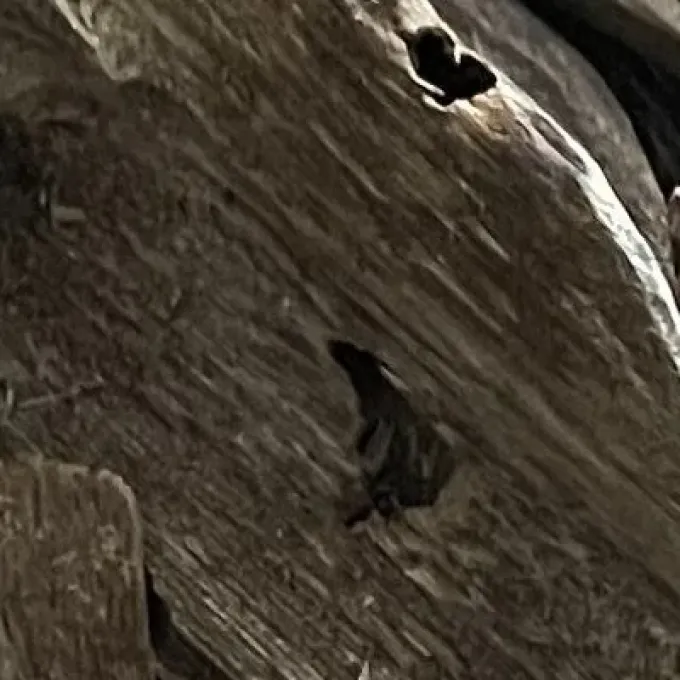
Controlled inoculation involves drilling or inserting specific agents into the tree trunk to stimulate the formation of the aromatic resin. This process must be carefully timed to ensure maximum yield.
The waiting period after inoculation is critical, typically lasting between 8 to 15 years. During this time, the tree slowly transforms its sapwood into the sought-after dark, resinous agarwood.
Harvesting involves cutting sections of the trunk or harvesting the entire tree depending on the degree of resin saturation. Precision is key to minimizing waste and maximizing the quality of the raw material.
Post-harvest processing requires separating the valuable dark resinous wood from the outer lighter-colored tissue. The finished product is then graded based on its aroma, density, and resin content.