
Grass-leaved triggerplant
Stylidium graminifolium Sw. ex Willd.
Description
Growing requirements
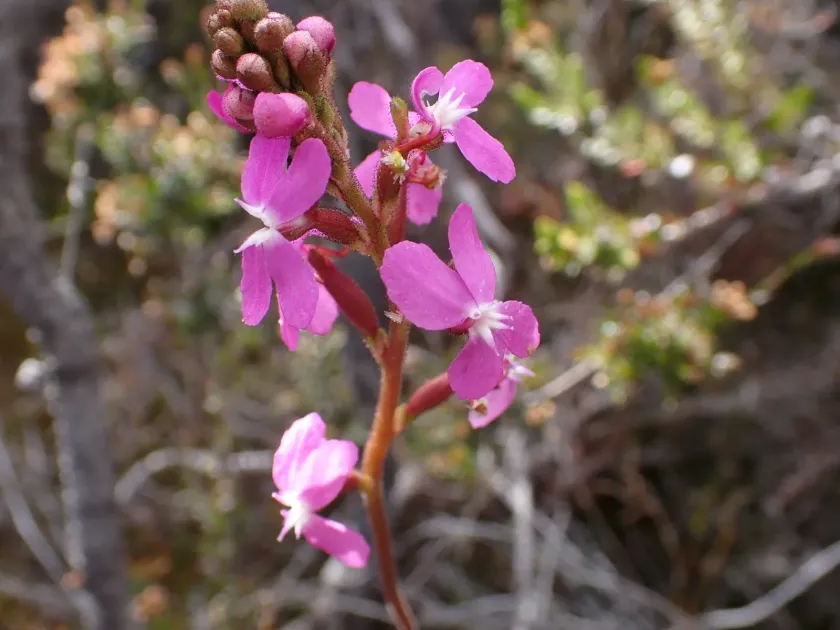
The grass-leaved triggerplant (Stylidium graminifolium) is a perennial herb belonging to the family Stylidiaceae. Native to Australia, this plant is renowned for its remarkable botanical feature: a sensitive column in the flower that springs forward when triggered by an insect, facilitating effective pollination.
The species requires well-drained, acidic to neutral soils. In natural habitats, it thrives in sandy soils that are generally low in nutrients, particularly phosphorus. Growers must mimic these conditions by using a gritty, free-draining medium and avoiding the use of high-phosphorus fertilizers, which can cause significant stress to the roots.
Temperature and climate requirements involve moderate conditions. While the plant is hardy and adapted to various temperate regions, it dislikes extreme humidity combined with high heat, which can lead to rapid physiological decline. Proper air circulation is essential to maintain plant vigor and prevent stress-related issues.
Light intensity is paramount for the healthy growth of Stylidium graminifolium. It thrives under full sun or bright, filtered light. Insufficient light results in elongated, weak foliage and a failure to initiate flower spikes, which are the primary ornamental highlight of this species.
Watering practices should be conservative. The substrate should be allowed to dry out slightly between waterings to prevent root suffocation. As the plant has specialized root structures, excessive moisture is the most common cause of failure in cultivation, making drainage control the highest priority in its management.
Main diseases and pests
The primary threats to the grass-leaved triggerplant include fungal pathogens such as Pythium and Phytophthora, which attack the root system in waterlogged conditions. Preventing root rot requires strict adherence to irrigation protocols and the use of well-ventilated, airy potting mixes.
In terms of pests, spider mites and mealybugs can occasionally infest the foliage, particularly in glasshouse environments with restricted airflow. Regular monitoring of the leaf bases and the use of appropriate horticultural oils or systemic insecticides are recommended strategies to manage these pests effectively.