
Turpinia occidentalis
Turpinia occidentalis
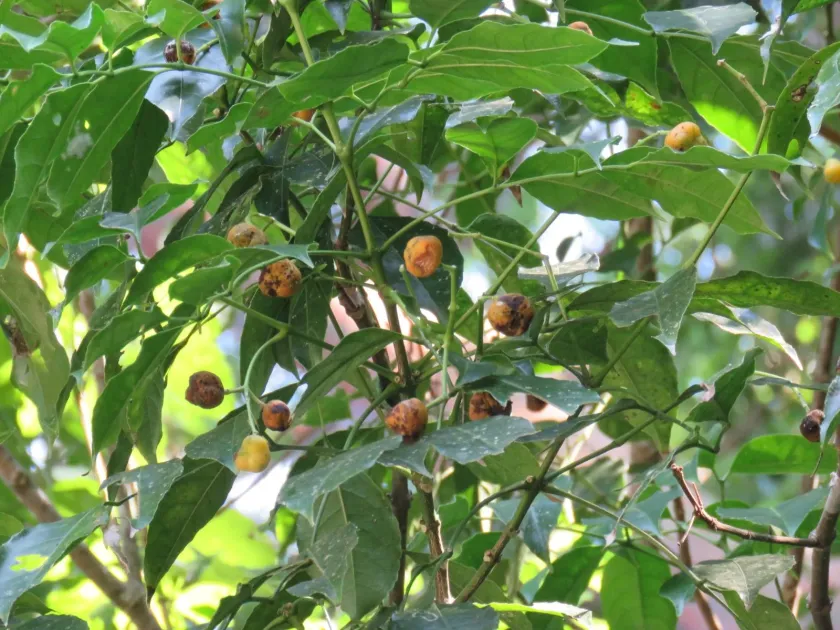
Description
Growing requirements
Turpinia occidentalis is a plant species belonging to the Staphyleaceae family, commonly found in the Caribbean and tropical regions of the Americas. It thrives in high-humidity tropical forest environments where rainfall is consistent throughout the year.
The ecological requirements for this species include nutrient-rich, well-draining soils that prevent waterlogging. While it can adapt to various altitudes, it primarily favors protected sites within forests where soil organic matter is abundant and provides a steady supply of nutrients.
Botanically, it is classified as a small to medium-sized tree characterized by compound leaves and panicles of small, inconspicuous flowers. The reproductive success of the plant is heavily dependent on animal seed dispersal, common in its natural tropical habitat.
In terms of agricultural or forestry management, the species is not a widely cultivated crop for mass production but is valued for its role in biodiversity. It serves as an essential component of local ecosystems, providing habitat and food sources for various avian species.
Management of this tree involves ensuring adequate shading during its early growth stages, as it is naturally adapted to the understory. Monitoring soil moisture levels remains the most critical aspect of its maintenance in managed forest gardens or botanical collections.