
Turpinia malabarica
Turpinia malabarica
Description
Growing requirements
Turpinia malabarica is an evergreen tree species belonging to the Staphyleaceae family. Native to the tropical regions of India and Southeast Asia, it primarily thrives in humid forest habitats, where it plays a role in maintaining the local ecological balance.
This species requires a tropical climate characterized by consistently warm temperatures and high relative humidity. It is intolerant of frost and significant cold spells, making its cultivation restricted to specific geographical zones where the climate remains stable year-round.
The ideal soil conditions for the growth of Turpinia malabarica are deep, fertile, and well-drained soils. Soils with a rich organic layer, similar to those found in tropical rainforest floors, are highly conducive to the development of a healthy and extensive root system.
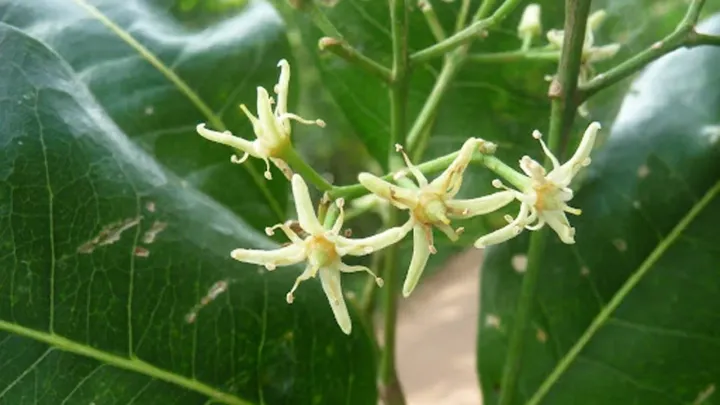
Botanically, the tree is recognized for its compound leaves and small, distinct floral structures. During the initial growth phase, the plant benefits from partial shade, which protects young foliage from intense solar radiation and excessive moisture loss through transpiration.
Agrotechnical management involves regular moisture monitoring and the application of organic mulch to mimic the natural forest environment. Pruning may be required during the early stages to ensure a straight and structurally sound main stem for future wood harvesting.
Harvesting
The primary economic value of Turpinia malabarica lies in its timber, which is utilized in various woodcraft and carpentry applications. The wood is appreciated for its structural properties and uniform grain, making it suitable for furniture making and interior design elements.
Harvesting operations should be planned according to the maturity cycle of the tree to maximize timber quality. Sustainable harvesting practices are essential, including reforestation efforts, to ensure that the ecological benefits of the species are preserved for the future.