
Lycianthes rantonnetii
Lycianthes rantonnetii (Carriere) Bitter
Description
Growing requirements
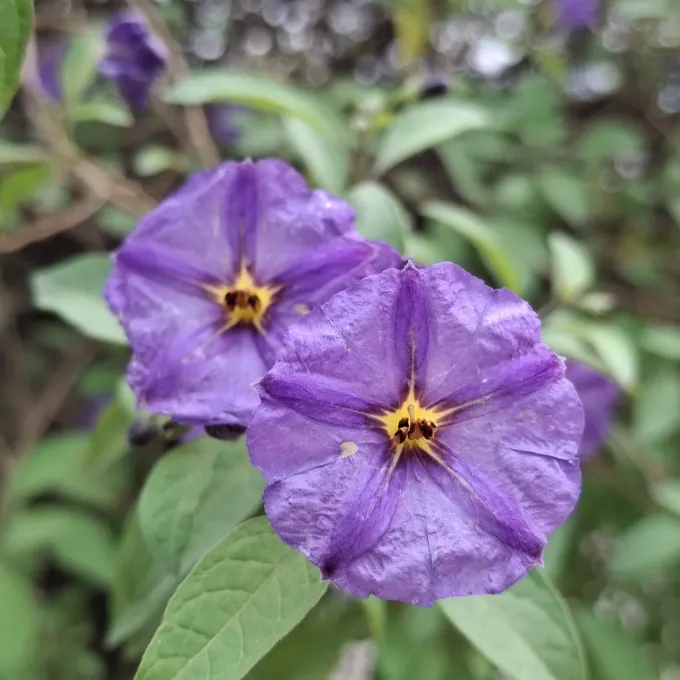
Lycianthes rantonnetii, commonly known as the blue potato bush, is a species of flowering plant in the Solanaceae family. Native to South America, particularly Argentina and Paraguay, this evergreen shrub is widely valued for its vibrant, deep blue-violet flowers with yellow centers.
Botanically, the plant is a woody shrub that can reach significant heights in its native habitat. It features ovate, glossy leaves and possesses a branching habit that responds well to pruning, making it an excellent candidate for topiary or container gardening in cooler zones.
This species requires a warm, sunny environment to thrive. It is frost-tender and, in regions experiencing cold winters, it must be treated as a container plant. During the active growing season, it needs consistent light and protection from harsh winds to maintain its health and bloom production.
The soil should be fertile, well-draining, and slightly acidic to neutral. Ensuring proper drainage is critical, as the roots are susceptible to rot if left in waterlogged conditions. Regular application of a balanced liquid fertilizer is recommended during the peak flowering season to support development.
Pruning is essential for maintaining the shape and density of the shrub. It is best to prune the plant in late winter or early spring before the new growth cycle begins. This process encourages fuller development and helps the plant maintain its aesthetic appeal in landscape designs.
Main diseases and pests
The plant is susceptible to common greenhouse and garden pests, including spider mites, aphids, and whiteflies. Regular inspection of the undersides of the leaves is advised, as these pests can cause significant damage if left unchecked in warm, dry environments.
Fungal issues, such as root rot or leaf spot, can occur due to excessive moisture or poor ventilation. To manage these threats, it is crucial to avoid overwatering and to ensure that the plant has adequate spacing for air circulation to prevent the development of pathogens.