
Lycianthes lenta
Lycianthes lenta
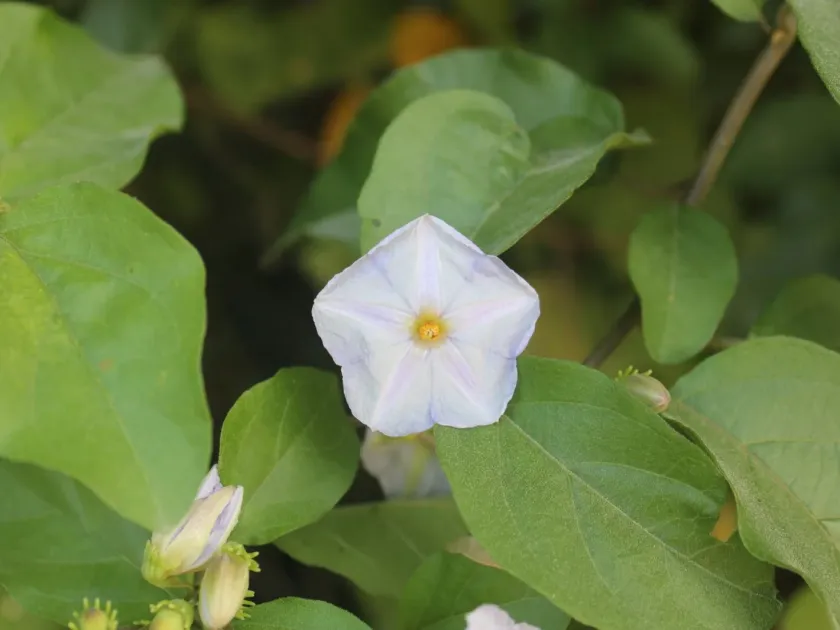
Description
Sowing dates
Lycianthes lenta is a woody perennial plant belonging to the Solanaceae family, native to regions with tropical and subtropical climates. Propagation is primarily carried out via seeds, which require specific temperature conditions to germinate successfully. The ideal time for sowing is during the onset of the warm season, ensuring soil temperatures stay above 20 degrees Celsius.
The seeds should be sown in a light, well-draining substrate to prevent decay. It is recommended to bury them at a depth of approximately 0.5 to 1 centimeter. Providing constant humidity and indirect light is crucial for successful germination, which can be somewhat slow and irregular depending on the environmental conditions provided.
Seedlings require careful handling during the transplanting phase, which should only occur after the development of the first few true leaves. Maintaining a stable temperature is vital, as sudden cold spells can shock the young plants, potentially halting their growth for extended periods during the initial development stage.
For more experienced growers, stem cuttings represent a faster and more reliable method of propagation. Semi-hardwood cuttings taken during the active growth phase root well under high humidity conditions and moderate temperatures. This technique ensures that the offspring retain the parent plant's characteristics consistently.
Proper spacing between plants is necessary to avoid competition for resources. In a nursery or plantation setting, maintaining a distance of at least one meter between specimens allows for adequate air circulation, which is vital for preventing the development of fungal infections that often plague Solanaceae plants.
Growing requirements
This species demands a highly fertile, well-draining soil with a neutral to slightly acidic pH. Incorporating organic matter, such as compost or peat, into the soil profile significantly improves nutrient availability and water retention, which are critical for the healthy development of this woody shrub.
Climate is the primary factor limiting the distribution of Lycianthes lenta. As a tropical plant, it thrives in warm, humid conditions and is highly sensitive to frost. In non-tropical regions, it must be cultivated in greenhouses or moved indoors during the winter to survive freezing temperatures.
Exposure to light should be intense but filtered. While the plant appreciates sunlight, direct exposure during the peak of summer can cause leaf scorch. Providing a screen or placing the plant in a position where it receives morning sun and afternoon shade is often the best strategy for optimal health.
Watering management is essential, requiring a consistent supply to keep the soil moist without creating waterlogged conditions. The plant's root system is susceptible to oxygen deprivation if the soil remains saturated for too long, necessitating a robust drainage system in both containers and field plots.
Regular fertilization with a balanced NPK fertilizer, supplemented with trace elements, supports the plant's metabolic processes and enhances flowering. Applying liquid fertilizers during the active growing season ensures that the plant has the energy required to support its rapid vegetative growth and fruit production.
Main diseases and pests
The most common pests associated with Lycianthes lenta are spider mites and whiteflies, which thrive in low-humidity environments. Regular monitoring of the foliage, particularly the undersides of the leaves, is necessary to catch infestations early before they cause significant damage to the plant tissue.
Fungal diseases, including powdery mildew and various leaf spot pathogens, are prevalent when air circulation is poor or humidity levels are excessively high. Improving airflow and removing infected plant matter immediately are the most effective non-chemical strategies for managing these threats in a collection.
Root rot, often caused by overwatering or poor drainage, is a lethal threat to this species. It is characterized by the sudden wilting of the plant and discoloration of the stem base. Once root rot is advanced, recovery is difficult, making prevention through controlled irrigation the most important aspect of care.
Insects like aphids may also colonize young shoots during the spring growth flush. Using biological controls, such as introducing beneficial predators, or applying gentle insecticidal soaps can manage these populations without damaging the plant or the surrounding environment.
Maintaining high hygiene standards in the growing area is essential for preventing the spread of viral and bacterial infections common to the Solanaceae family. Sanitizing pruning shears between plants and avoiding water splashing from soil to leaves are simple yet effective practices for long-term health.