
Lycianthes glandulosa
Lycianthes glandulosa
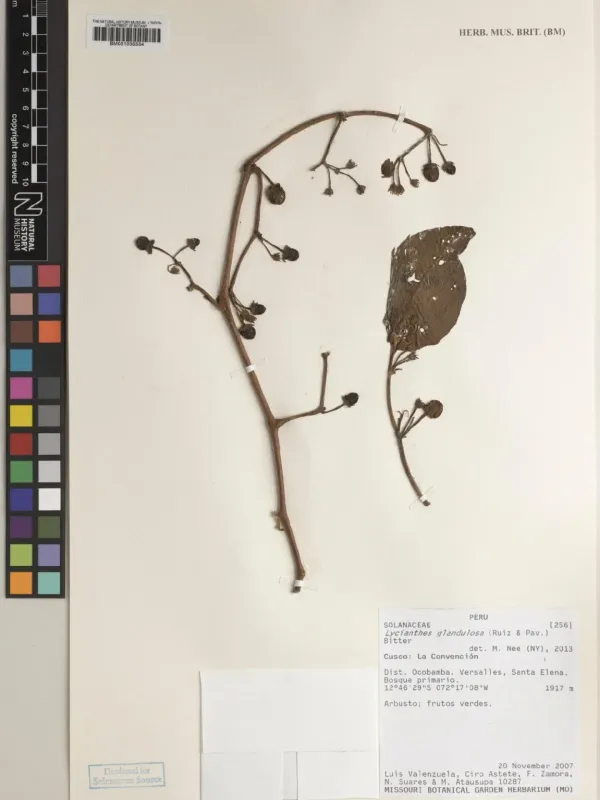
Description
Sowing dates
Lycianthes glandulosa belongs to the Solanaceae family. As it is a tropical plant, sowing times in temperate climates are strictly limited to the warm season, or it requires greenhouse conditions to thrive.
The optimal time for sowing is early spring when daylight hours begin to increase significantly. In cooler regions, starting seeds indoors is recommended to ensure a long growing season before the first autumn frosts arrive.
Seeds require a consistently warm substrate temperature between 22 and 25 degrees Celsius for successful germination. Sowing depth should be kept shallow, approximately 0.5 to 1 cm, to facilitate proper sprout emergence.
In greenhouse environments, sowing can occur year-round provided that additional artificial lighting is implemented to maintain a stable vegetative growth cycle.
Spacing during planting is crucial as the plant tends to spread vigorously and requires adequate airflow to prevent moisture accumulation around the roots and foliage.
Growing requirements
The culture requires fertile, well-draining loamy soils with a neutral or slightly acidic pH. Waterlogging is detrimental to the plant, so drainage systems are essential in heavy clay soils.
While the plant loves light, it requires light shading during peak summer heat to prevent leaf scorching and excessive overheating of the root zone, which can inhibit development.
The temperature range for optimal growth is 20–30 degrees Celsius. Temperatures below 10 degrees Celsius can cause a significant halt in metabolic activities and growth.
High relative humidity, around 60–75 percent, is generally preferred throughout the growing season, reflecting its tropical origin and moisture requirements.
Regular fertilization with organic or complex mineral fertilizers, particularly those rich in potassium and phosphorus, is necessary during the budding phase to ensure fruit quality.
Yield
The economic use of Lycianthes glandulosa includes ornamental horticulture and potential applications in the pharmaceutical industry due to the specific alkaloids it contains.
Yield depends heavily on successful pollination; in greenhouses, this often requires the use of mechanical methods or the presence of pollinators to ensure high fruit set.
The fruit develops as berries, which change color upon reaching technical maturity, providing a clear visual cue for the commencement of the harvest process.
Quantifiable yield varies based on agricultural practices, specifically the timing of irrigation and the availability of micro-elements during critical growth phases.
Under favorable conditions, the plant is capable of producing multiple waves of fruit throughout a single season, allowing for staggered harvesting cycles.
Main diseases and pests
Common pests affecting this crop include spider mites and whiteflies, which thrive in low-humidity conditions. Integrated pest management strategies are advised.
Fungal diseases, especially root rot, are significant risks often triggered by improper watering practices, poor drainage, or inadequate air circulation in greenhouses.
Regular monitoring of plant health allows for the early detection of infestations, reducing the need for intensive chemical interventions during the production process.
Using biological controls, such as beneficial insects, is highly recommended to maintain the ecological balance and safety of the crop during the flowering phase.
- Spider mites (Tetranychidae)
- Greenhouse whitefly
- Late blight (in high humidity)
- Root rot (Pythium)
Harvesting
Harvesting is performed selectively as fruits reach maturity, which ensures the best quality and consistency of the collected produce over time.
Using sharp tools to carefully cut the fruit stalks is necessary to prevent accidental damage to the fragile stems and surrounding flower buds of the plant.
Once harvested, fruits should be stored in a cool, shaded environment to slow down metabolic degradation and maintain their shelf life effectively.
Immediate primary processing is recommended to preserve the integrity of the fruit's bioactive compounds, which can degrade rapidly if exposed to heat.
Transport packaging must allow for adequate ventilation to prevent fungal growth and protect the berries from mechanical pressure during the delivery phase.