
Leucophysalis nana
Leucophysalis nana
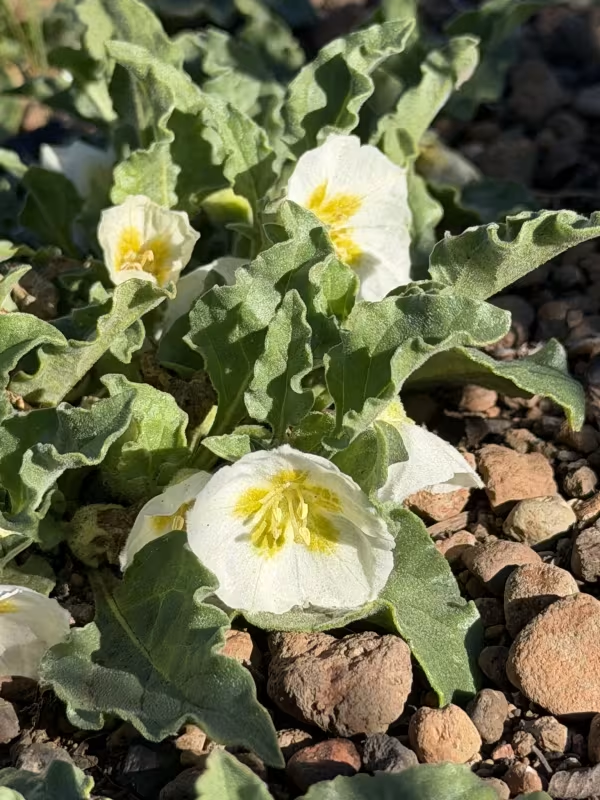
Description
Sowing dates
Leucophysalis nana belongs to the Solanaceae family and is recognized as a hardy herbaceous plant. In agricultural practice, cultivation typically begins with sowing seeds in controlled greenhouse conditions to ensure a strong start before transplanting.
Seeds require a steady temperature between 20 and 25 degrees Celsius for optimal germination. Sowing usually occurs in late winter or early spring, providing sufficient light to avoid etiolation of the young seedlings during their early growth phase.
When transplanting into the field, it is crucial to wait until the risk of frost has passed and the soil has reached an adequate temperature. A planting density of 40 to 50 centimeters between plants allows for optimal development and air circulation.
If sowing directly into the soil, utilizing row covers or agricultural fleece can provide the necessary protection against unpredictable weather. Proper seed depth, roughly 1–1.5 cm, is essential for successful seedling emergence.
Acclimatization of seedlings, or hardening off, is a vital process before field planting. This step increases the plants' resistance to environmental stressors and ensures a higher survival rate once they are exposed to full outdoor conditions.
Growing requirements
This crop thrives in sunny, well-lit environments, as full solar exposure is key for fruit development. Shaded areas should be avoided, as they significantly hinder the plant’s ability to reach its full productive potential.
Soil requirements involve well-draining, fertile medium-textured soils with a neutral pH. Heavy or waterlogged soils can lead to root rot, so incorporating organic matter or compost is recommended to improve the soil structure and drainage capacity.
Water management must be precise; while the plant requires consistent moisture during the growing season, over-saturation must be avoided. Drip irrigation systems are often ideal, as they maintain soil moisture without wetting the foliage excessively.
Fertilization with a balanced NPK fertilizer supports vegetative growth and fruit set. A focus on phosphorous and potassium in the middle of the season aids in fruit development and general plant health throughout the vegetative cycle.
Weed control and regular cultivation between rows are necessary to prevent nutrient competition. Mulching the base of the plant can help retain soil moisture and stabilize soil temperatures, providing a more constant growth environment.
Yield
Yield potential is highly dependent on effective agrotechnical management and favorable seasonal weather. Proper care during the flowering stage is essential, as the plant relies on successful pollination for uniform fruit set.
As a specialized crop, its market presence is niche, often sought for its unique characteristics. Maximizing yield involves thinning excess growth and ensuring that the plant directs energy toward fruit development rather than purely vegetative expansion.
Insect pollinators are vital for this species. Maintaining a field environment that supports bees and other beneficial insects significantly increases the probability of a higher harvest volume and better fruit consistency.
Post-harvest grading is recommended to categorize fruits by size and quality. This process ensures that only the best products reach the market, maintaining a high standard for consumers interested in this unique botanical variety.
Consistent productivity can be achieved by monitoring the plant throughout the ripening phase. Harvesting at the right maturity stage helps maintain the quality and shelf-life of the fruit, ultimately improving the economic outcome for the grower.
Main diseases and pests
The main threats to Leucophysalis nana include common Solanaceae pests, such as the Colorado potato beetle, which can rapidly defoliate plants. Monitoring and early intervention are crucial for preserving foliage integrity.
Aphids pose a significant risk not only through direct feeding but also as potential vectors for viral diseases. Biological control agents or targeted, low-toxicity insecticides are preferred strategies for maintaining a healthy crop.
Late blight and other fungal infections are common in humid conditions. Implementing a rigorous crop rotation plan—avoiding previous plots of potatoes or tomatoes—helps reduce the accumulation of pathogens in the soil.
Spider mites can become a problem during hot, dry periods. Regular monitoring and maintaining adequate humidity through proper irrigation can help suppress mite population growth and prevent foliage damage.
Sanitation practices, including the removal of debris and disinfection of tools, are essential components of an integrated pest management strategy. These measures prevent the carryover of diseases between growing seasons.
Harvesting
Harvesting Leucophysalis nana is a process that requires timing, as the fruits mature within their characteristic husks. The primary indicator for harvest is when the husks begin to dry out and turn a light straw color.
Harvesting should ideally be conducted during dry weather to ensure that the produce is not overly damp, which reduces the risk of spoilage during storage. Gentle handling is necessary to prevent damage to the delicate fruits.
Once harvested, the fruits should be stored in a cool, well-ventilated area with their husks intact. This natural packaging helps protect the fruit and extends its shelf life, allowing for a more flexible sales window.
For storage, crates or boxes with adequate ventilation are recommended. Maintaining a temperature range between 5 and 10 degrees Celsius helps preserve the quality of the fruits for several weeks after the initial harvest.
Finally, cleaning the field of all plant residues after harvest is a necessary step. This prevents the overwintering of pests and fungi, ensuring the site is ready for the next planting season without an increased risk of infection.