
Cyphanthera albicans
Cyphanthera albicans
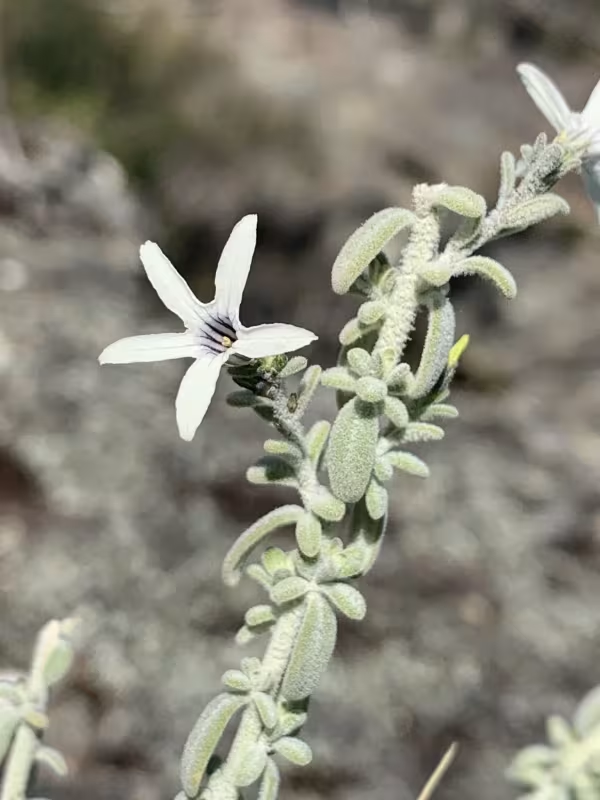
Description
Growing requirements
Cyphanthera albicans is a perennial shrub belonging to the Solanaceae family. Native to Australia, this plant has evolved to thrive in arid and semi-arid environments, demonstrating remarkable adaptation to dry conditions.
The crop requires well-draining, sandy or rocky soils to ensure root health. Waterlogging must be strictly avoided, as the plant is highly susceptible to root rot if moisture levels remain consistently high for extended periods.
Optimal growth occurs in full sun exposure. The species is adapted to temperate climates with high solar radiation, and it requires adequate space for airflow to prevent the buildup of humidity around the dense foliage.
Agronomic management focuses on maintaining a natural balance, as over-fertilization can disrupt the accumulation of secondary metabolites. Potassium and phosphorus are essential for steady, healthy development without forcing excessive vegetative growth.
The economic value of this plant is derived from its pharmacological potential. It serves as a natural source of tropane alkaloids, including hyoscyamine and scopolamine, which are extracted for medical research and pharmaceutical manufacturing.
Main diseases and pests
Pathogens such as various fungal root rots pose a significant threat to the crop, especially in conditions of poor soil aeration or excess precipitation during the growth cycle.
Insect pests, specifically aphids and whiteflies, are frequent visitors that can cause direct damage and serve as vectors for various viral diseases commonly affecting the Solanaceae family.
Preventive measures include careful site selection and the implementation of strict sanitation practices to reduce the presence of overwintering pest populations or soil-borne pathogens.
Crop monitoring is crucial for successful production. Early detection of leaf discoloration or wilting can prevent small-scale outbreaks from spreading across the plantation.
Integrated pest management strategies should prioritize biological controls to preserve the purity of the raw botanical material, which is critical for meeting strict industry quality standards.