
Cacabus maritimus
Cacabus maritimus
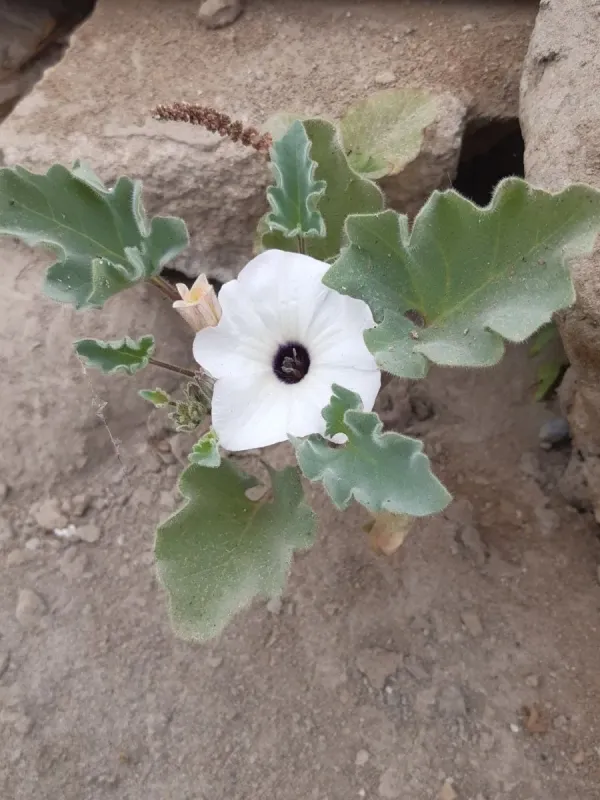
Description
Sowing dates
Sowing Cacabus maritimus is typically conducted using seedlings to ensure the crop has a sufficient growing season to mature properly. Seeds should be sown in trays approximately 60 to 70 days before the risk of frost has passed in the spring.
The optimal time to begin sowing is late February or early March, providing the seeds with the warmth required for germination. Maintaining a soil temperature between +22 and +25 degrees Celsius is essential for high germination rates.
Seeds should be covered lightly with a thin layer of fine substrate, as they require careful depth management to emerge successfully. High humidity and consistent moisture in the starting tray are critical during the initial germination phase.
Once true leaves appear, seedlings should be transplanted into individual pots to facilitate root development. This process ensures that each young plant receives enough space to establish a strong root system before being moved outdoors.
Hardening off the seedlings is a mandatory step before transplanting to permanent soil. Exposing the plants gradually to outdoor conditions over two weeks ensures they can withstand the changes in light and temperature.
Growing requirements
Cacabus maritimus, a member of the Solanaceae family, thrives best in well-drained, fertile soil with a neutral pH. The soil structure should be loose to ensure optimal root penetration and nutrient uptake throughout the growth cycle.
Full sun exposure is required for the plant to achieve its full potential. Areas with heavy shade should be avoided, as the lack of light will significantly reduce flowering and the overall quality of the fruit produced.
Watering management is crucial; while the plant requires consistent moisture, excessive saturation of the soil must be avoided. Good drainage systems help prevent root rot, which is a common threat to nightshade crops.
Fertilizing with balanced nutrients during the vegetative stage promotes healthy foliage growth, while transitioning to phosphorus-heavy feeds encourages robust flowering and fruit setting as the plant matures.
Regular cultivation of the soil surface between rows helps improve aeration and eliminates weeds. Weed control is essential to ensure that the crop does not have to compete for resources like water and sunlight.
Yield
The yield of Cacabus maritimus is highly dependent on proper environmental management and agrotechnical diligence. Providing stable conditions during the blooming period ensures that a larger percentage of flowers turn into fruit.
Strategic pruning of lateral shoots, commonly referred to as pinching, helps redirect the plant's energy toward fruit production. Maintaining a reasonable number of fruits per plant prevents the exhaustion of the plant's reserves.
Effective pest and disease management throughout the season protects the potential harvest from premature loss. Consistent monitoring allows for early intervention, ensuring that the fruit reaches the intended size and quality.
Environmental stress, such as extreme heat or sudden cold snaps, can cause flower drop. Protecting plants from such fluctuations, perhaps through shading or windbreaks, helps stabilize productivity levels during volatile weather.
Regular harvesting of mature fruit encourages the plant to continue producing, as the removal of fruit signals the plant to focus its remaining energy on ripening the remaining younger fruits on the vine.
Main diseases and pests
Colorado potato beetles are among the most significant pests for this species. If left unchecked, these insects can defoliate plants rapidly, leading to a total loss of vigor and significantly lower yields.
Fungal pathogens like blight often occur in high-humidity conditions with poor air circulation. Preventive measures include proper spacing of plants and the use of approved fungicides if early symptoms are detected.
Aphids and spider mites are frequent invaders that target the tender parts of the plant. Biological controls or targeted insecticide applications are recommended to keep populations below the damage threshold.
Root-related diseases are frequently linked to poor water management. Ensuring that irrigation practices do not leave roots sitting in standing water is one of the most effective ways to prevent soil-borne pathogens.
Maintaining a weed-free zone around the perimeter of the field is important for reducing the risk of insect-borne viral diseases. Many weeds serve as hosts for vectors that transmit viruses to nightshade crops.
Harvesting
Harvesting should be performed systematically, focusing on fruit that has reached its peak stage of maturity. This ensures that the flavor profile and nutritional value are maximized at the time of collection.
The best time of day to harvest is during the early morning after the dew has evaporated. This practice ensures that the produce remains firm and lasts longer during post-harvest storage and transport.
When collecting the harvest, always use sharp tools to cut the fruit stem cleanly. Tugging at the fruit can cause physical damage to the plant, creating entry points for future infection by pathogens.
Post-harvest handling involves sorting the fruit carefully. Only healthy, undamaged fruit should be selected for long-term storage, as even a single rotting piece can compromise the quality of the entire batch.
Storage should be conducted in a cool, well-ventilated area away from direct sunlight. This controlled environment maintains the structural integrity and freshness of the product until it reaches the end-user.