
Cacabus prostratus
Cacabus prostratus
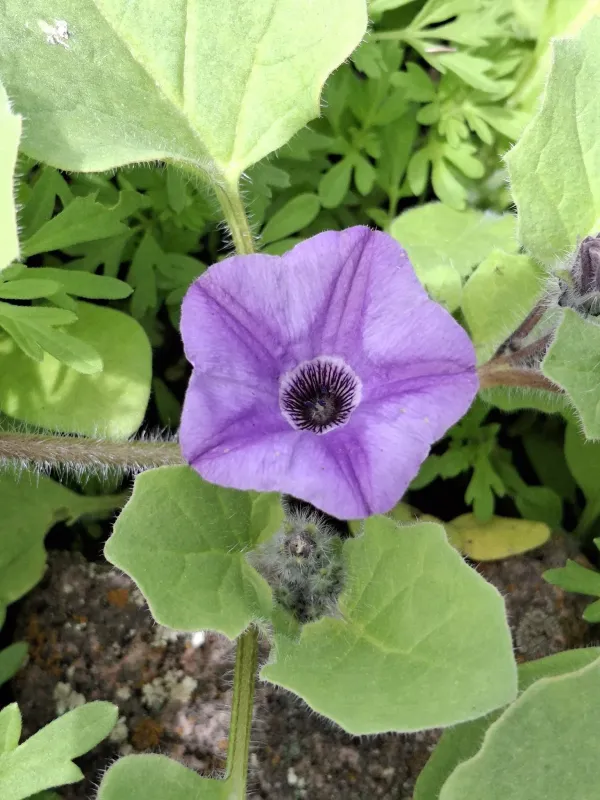
Description
Sowing dates
Cacabus prostratus, a member of the Solanaceae family, requires specific thermal conditions for successful germination. Sowing should only occur once the soil has warmed up sufficiently, ensuring that all frost risks have passed.
In cooler climates, it is recommended to start the cultivation process in a greenhouse using the transplant method. This ensures that seedlings are robust enough to withstand outdoor conditions once transplanted in late spring.
The seeds should be planted at a depth of 1.5 to 2 centimeters to ensure they remain moist while receiving adequate warmth. Proper spacing is essential, as the prostrate habit of the plant requires sufficient surface area for development.
Seedbed preparation should involve high-quality, well-draining soil mixes to prevent early-stage damping-off. Adequate lighting during the seedling stage is crucial to prevent etiolation and ensure a strong root system.
Maintaining a consistent moisture level during the first weeks after sowing is vital for high germination rates. Growers should avoid waterlogging the soil to ensure healthy plant establishment.
Growing requirements
Cacabus prostratus thrives in sunny, sheltered positions where it can receive maximum light. The soil should be fertile, sandy-loam, and well-draining to support the plant's unique biological needs.
The plant is moderately drought-tolerant, but consistent soil moisture is required during the flowering and fruit-setting phases. Irrigation should be applied to the base of the plant to keep the foliage dry.
Soil pH should remain near neutral, as high alkalinity or acidity can hinder nutrient uptake. Regular monitoring of nutrient levels is recommended, particularly regarding phosphorus and potassium availability.
Excessive nitrogen fertilizer should be avoided, as it promotes vigorous vegetative growth at the expense of fruit production. Balanced feeding schedules will ensure healthier plants and better yields.
Mulching the soil surface helps to retain moisture and suppress weed growth, which is particularly useful in large-scale field production. This practice also helps maintain a more stable soil temperature.
Yield
The yield of Cacabus prostratus is largely dependent on the quality of the growing site and adherence to seasonal maintenance schedules. Efficient plant management can lead to a steady supply of produce throughout the season.
Regular pruning of secondary shoots allows the plant to redirect its energy toward fruit development, significantly increasing the marketable output per plant. It is important to perform this task with clean tools.
Harvesting should be timed according to the stage of fruit maturity, which is visually indicated by characteristic color changes. Over-maturation can lead to a decline in fruit quality and shelf life.
Post-harvest handling is critical for maintaining the produce's commercial value. Proper sorting and storage conditions significantly extend the window for sale and distribution.
Field-wide yield optimization involves density management, where spacing is balanced between allowing enough room for plant growth and maximizing total production per hectare.
Main diseases and pests
As a member of the Solanaceae family, the plant is susceptible to common pests such as aphids and the Colorado potato beetle. Integrated pest management strategies are highly recommended for effective control.
Fungal diseases like late blight (Phytophthora) pose a serious risk under high humidity and cool conditions. Preventive application of fungicides is often necessary during wet growing seasons.
Spider mites can become a significant issue during periods of extreme heat and drought. Growers should inspect the underside of leaves regularly to detect early signs of infestations.
Root rot is a major threat caused by poor soil drainage and excessive moisture levels. Ensuring proper drainage is the most effective way to minimize the impact of soil-borne pathogens.
- Implementation of strict crop rotation cycles.
- Prompt removal and disposal of infected plant material.
- Monitoring soil water levels to prevent anaerobic conditions.
Harvesting
The harvesting of Cacabus prostratus is primarily done manually to ensure the integrity of the fruits. Care must be taken to cut rather than pull the fruit to prevent damaging the stems.
Early morning harvests are ideal, as the fruits are firmer and less prone to moisture loss after being picked. This practice ensures that the produce reaches the consumer in the best possible condition.
Sorting should take place immediately after harvest to separate fruits by size and maturity. This step is essential for quality control and prevents damaged fruits from affecting healthy ones.
Storage should occur in a cool, well-ventilated environment. Good airflow is necessary to prevent condensation, which can lead to rapid fungal growth on the harvested produce.
Transportation of the harvest requires crates with adequate protective padding to prevent bruising. Minimizing physical stress during transit helps maintain the shelf life of the crop.