
Acnistus arborescens
Acnistus arborescens
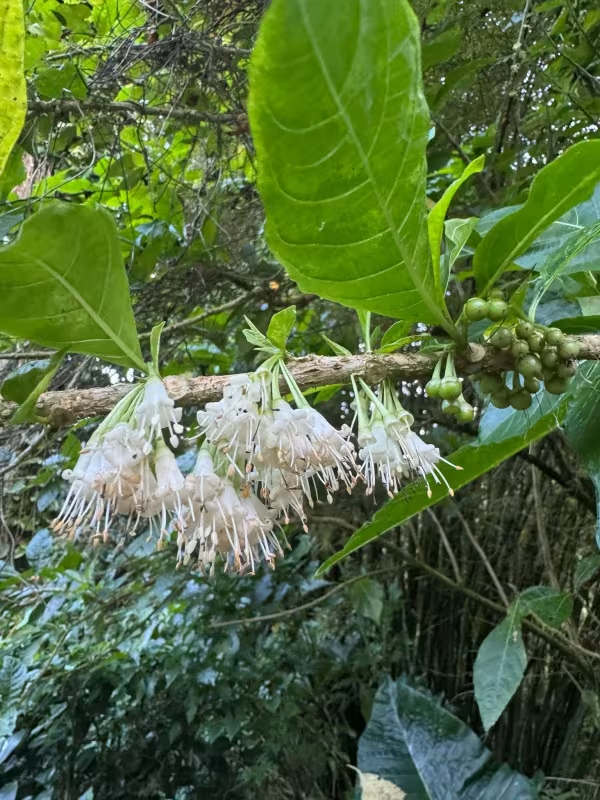
Description
Growing requirements
Acnistus arborescens, commonly known as the monkey's fiddle, is a fast-growing, evergreen shrub or small tree belonging to the Solanaceae family. In its natural habitat, it can reach heights of up to 6 meters, showcasing a wide canopy and elegant, arching branches.
Native to Central and South America, as well as the Caribbean islands, this plant thrives in warm, humid climates. Due to its tropical origins, it is highly sensitive to cold and requires a frost-free environment to survive throughout the year.
For optimal growth, the species requires bright, indirect sunlight. While it can tolerate some sun, excessive exposure to harsh afternoon rays can scorch the foliage, making partial shade an ideal placement in warmer regions.
The soil must be well-drained, fertile, and rich in organic matter. Acnistus arborescens does not tolerate waterlogged conditions, so ensuring proper drainage is crucial for preventing root rot and maintaining overall plant vigor.
The temperature should ideally stay between 20 and 28 degrees Celsius. If the temperature drops below 10 degrees, it is imperative to move the plant into a climate-controlled greenhouse to avoid leaf drop or plant death.
Yield
Acnistus arborescens is primarily cultivated for its exceptional ornamental value. It produces an abundance of small, bell-shaped flowers in shades of white, cream, or pale violet, which emit a sweet fragrance, especially during the flowering season.
Following the bloom, the shrub produces small, orange berries. While these fruits are visually appealing and serve as an excellent food source for various bird species, they are not intended for human consumption due to the plant's natural chemical profile.
While some historical ethno-botanical uses have been documented, the plant is not a commercial crop for food or pharmacology. Its primary role remains within landscaping, where it serves as an aesthetic focal point in tropical gardens.
Landscapers often value this shrub for its ability to form dense screens or hedges. It responds well to pruning, which allows for the creation of structured shapes or the maintenance of a manageable size in residential garden settings.
The plant contributes significantly to local biodiversity by attracting pollinators and birds. Its high ornamental yield and ease of management in tropical zones make it a favorite choice among botanical collectors.
Main diseases and pests
The most common pests affecting this shrub are whiteflies and spider mites. These pests thrive in dry indoor environments or in poorly ventilated outdoor spots, often causing yellowing and weakening of the leaves.
Effective management of these pests involves regular monitoring and the application of horticultural soaps or systemic insecticides if infestations occur, ensuring the plant remains healthy and aesthetic.
Fungal issues, such as powdery mildew, can occur if there is insufficient airflow or if the foliage remains wet for extended periods. Pruning to maintain an open canopy is the best preventative measure against these diseases.
Maintaining a clean growing area and removing fallen leaves or debris helps to reduce the risk of pathogen accumulation. Proper watering techniques, aimed at the roots rather than the leaves, also prevent many fungal outbreaks.
In cases of severe infection, specialized fungicides should be used in accordance with agricultural standards for Solanaceous plants. Always isolate the affected specimen to prevent the spread to other plants in the greenhouse or collection.