
California figwort
Scrophularia californica
Description
Growing requirements
California figwort (Scrophularia californica) is a perennial herbaceous plant belonging to the Scrophulariaceae family. Native to western North America, it is naturally found in diverse habitats ranging from moist coastal scrublands to shaded forest edges, thriving in cool, temperate climates.
This crop requires fertile, well-draining soil to perform optimally. It is particularly sensitive to soil compaction; therefore, adding organic matter such as compost or leaf mold is recommended to ensure adequate porosity and moisture retention throughout the growing season.
Climatic requirements are centered around the plant's need for consistent moisture and protection from extreme heat or prolonged sub-zero temperatures. It prefers sites that receive filtered sunlight or partial shade, especially during the hottest parts of the day, to prevent wilting.
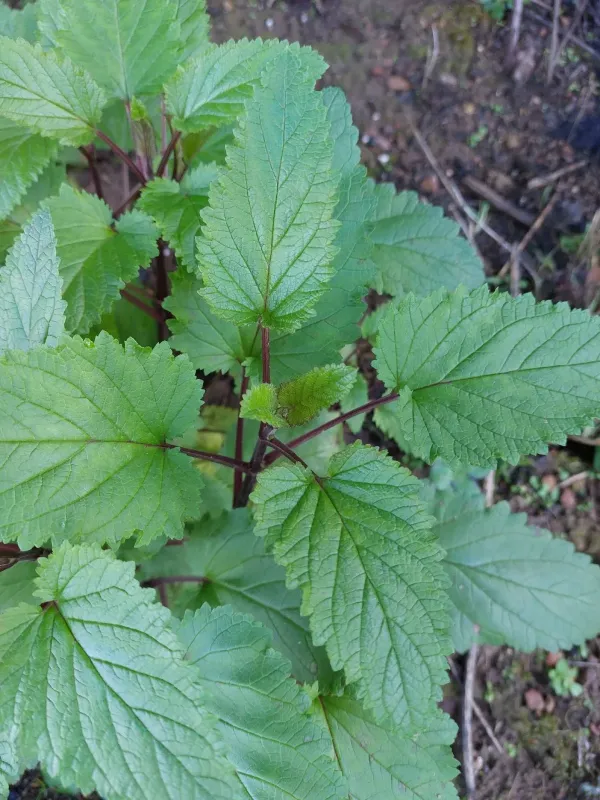
Botanically, the species is defined by its tall, square stems and distinct, dark reddish-brown flowers arranged in open, terminal panicles. The leaves are typically serrated and opposite, providing a lush appearance that contributes to its overall architectural value in a landscape.
In terms of agricultural and horticultural use, it is primarily recognized for its role in pollinator conservation. The flowers are highly attractive to bees, butterflies, and hummingbirds, making it an excellent addition to restoration projects and nectar-rich gardens.
Main diseases and pests
The primary threats to California figwort include fungal diseases such as powdery mildew, which thrive in stagnant, humid air. Proper spacing during planting is essential to ensure adequate airflow, which serves as the most effective preventative measure against fungal outbreaks.
Pests frequently observed on this crop include various species of aphids that congregate on succulent new growth. In addition, leaf-eating beetles can cause significant aesthetic damage if populations are not managed through timely intervention or natural biological controls.
Root health is a critical concern, as waterlogged conditions can lead to root rot. If the soil remains overly saturated, the root system loses its ability to absorb nutrients, leading to yellowing of the foliage and eventual collapse of the entire plant structure.
Integrated Pest Management (IPM) is highly recommended for this crop. Encouraging natural predators, such as ladybugs and lacewings, can significantly reduce the need for chemical interventions while maintaining a healthy, balanced ecosystem for the plants to grow.
Regular monitoring of the plant's health is advised, especially during the spring flush. Removing debris and dead foliage around the base of the plant minimizes the shelter available for over-wintering pests and fungal spores, promoting overall crop longevity.