
Tellima grandiflora
Tellima grandiflora
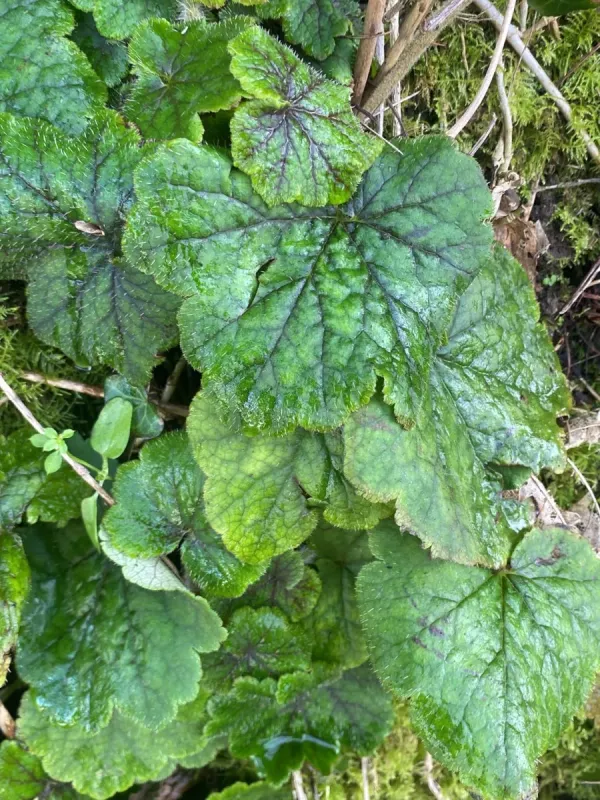
Description
Sowing dates
Seeds of Tellima grandiflora are typically sown in early spring or autumn to mimic the natural cycle of the woodland environment they inhabit.
Starting seeds indoors requires a cool environment to ensure proper germination, as high temperatures often inhibit the development of the seedlings.
Division is the most effective propagation method, performed during the dormant season, specifically early spring, to encourage rapid root establishment.
When planting, ensure the crown of the plant is set just level with the soil surface to prevent rot while allowing for sufficient aeration.
Space the plants approximately 12 to 15 inches apart to allow the foliage rosettes to fully develop and create a dense ground cover.
Growing requirements
Tellima grandiflora, commonly known as the fringecup, is a member of the Saxifragaceae family native to the western regions of North America.
This species is highly valued for its shade tolerance, thriving in dappled light conditions beneath established trees or in north-facing garden beds.
The plant performs best in moisture-retentive, humus-rich soils that offer excellent drainage to prevent root systems from becoming waterlogged.
It is perfectly suited for cool temperate climates and requires consistent moisture throughout the growing season to maintain its lush, evergreen foliage.
The plant exhibits high cold hardiness, making it a reliable perennial for woodland gardens and shaded borders in various climatic zones.
Main diseases and pests
Slugs and snails are the primary pests of fringecup, particularly in the spring when new, tender leaves emerge from the soil.
Powdery mildew can become an issue if the plants are placed in environments with poor air circulation or subjected to extreme drought stress.
Root rot is a common problem in poorly drained soils, often exacerbated by overly aggressive irrigation practices during dormant periods.
Managing the surrounding mulch layer helps keep the foliage dry and reduces the habitat available for nocturnal mollusks to hide.
Regular sanitation of the garden bed by removing dead leaves prevents the buildup of fungal spores and keeps the colony healthy.