
Starry saxifrage
Saxifraga stellaris
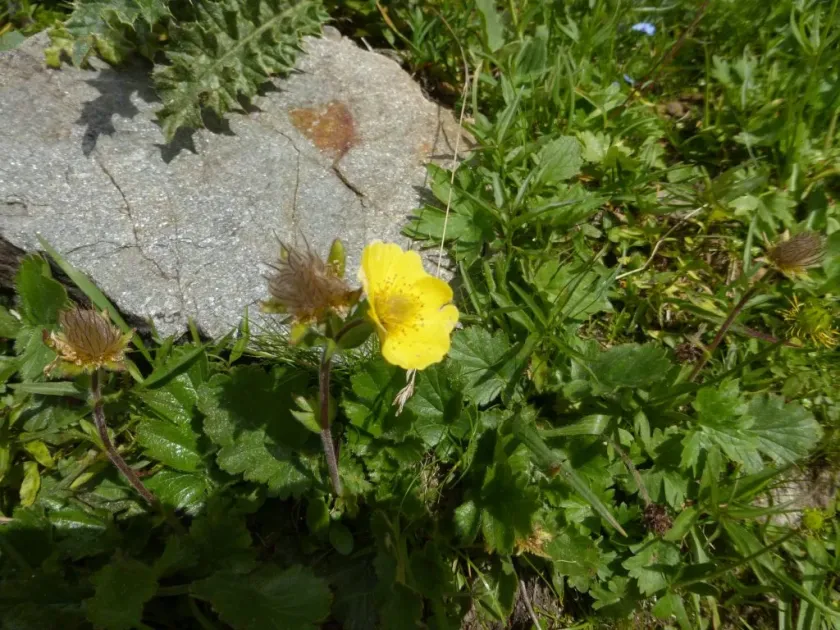
Description
Sowing dates
Propagation of Saxifraga stellaris is best achieved through seeds sown in late winter or early spring. The seeds require a period of cold stratification to break dormancy and ensure high germination rates.
Surface sowing is recommended as the seeds are fine and need light for germination. They should be pressed gently into a well-draining, peat-based compost and kept moist until the seedlings emerge.
Vegetative division is an alternative method performed immediately after the flowering period. Carefully splitting the clumps ensures that each section has enough roots to establish itself independently in a new location.
Young plants should be hardened off before being moved to their final planting site. A spacing of 15 to 20 centimeters is ideal to allow for the gradual spread of the rosettes over time.
As a member of the Saxifragaceae family, this plant is naturally adapted to harsh mountain environments, making it a robust choice for specialized rock gardens and moist alpine displays.
Growing requirements
The Starry saxifrage thrives in cool, moist climates and is typically found in high-altitude wetlands or alongside mountain streams. It requires constant soil moisture without being waterlogged.
Ideal conditions include a position in partial shade, especially in warmer climates where the intense afternoon sun can damage the succulent leaves. Morning sun is generally beneficial for growth.
The soil should be acidic, rich in humus, and contain significant drainage material like grit or small stones. A loose, open structure is necessary to allow oxygen to reach the root zone at all times.
During the growing season, regular irrigation is essential. The plant does not possess significant drought tolerance, so dry spells should be mitigated with gentle, consistent watering of the soil.
This species is exceptionally cold-hardy, as it evolved to survive in alpine regions. It thrives in temperate areas provided the garden environment mimics its native moist, rocky habitat.
Main diseases and pests
The primary concern for Saxifraga stellaris is crown and root rot, which is usually induced by poor drainage or overly stagnant, humid conditions that favor fungal development.
Gastropods such as slugs and snails represent the main pest threat. They are attracted to the succulent nature of the foliage, especially in the damp environments where the plant grows best.
Lack of ventilation can exacerbate disease risks. It is crucial to ensure that the plant is not overcrowded by neighboring species and that the immediate surrounding area is kept clean and weed-free.
If aphids appear during the spring growth, they should be managed promptly to prevent stunting. Targeted spraying or manual removal is often sufficient for small-scale plantings.
Overall maintenance including the removal of dead or rotting leaves helps significantly in reducing the pathogen load and ensuring the longevity of the plant clusters in the garden.