
Mutated saxifrage
Saxifraga mutata
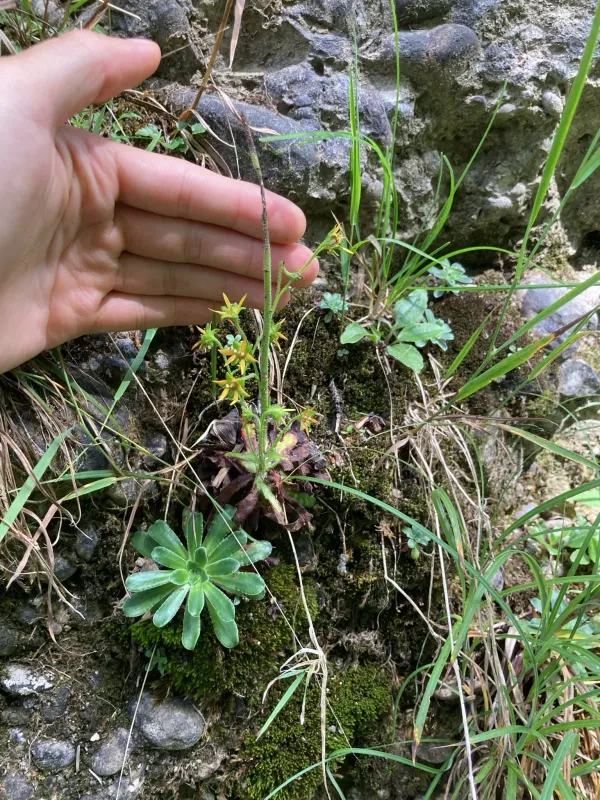
Description
Sowing dates
Saxifraga mutata is a perennial herbaceous plant belonging to the Saxifragaceae family. Native to the alpine and subalpine regions of Central Europe, it naturally inhabits rocky, lime-rich environments, showcasing significant biological resilience.
Sowing should ideally occur in late autumn or early spring after a period of stratification. The seeds are extremely fine, requiring surface sowing on a damp substrate without burying them, as light is essential for optimal germination.
Successful germination requires a cool environment, maintaining temperatures between 10 and 15 degrees Celsius. Constant yet moderate moisture is vital, as excessive water can easily cause the delicate seeds to rot before they sprout.
During the spring, exposing seed trays to natural temperature fluctuations can help break dormancy. The germination process is often gradual, reflecting the plant's adaptation to the unpredictable mountain climate from which it originates.
Once true leaves appear, seedlings should be pricked out into individual pots or well-drained rock garden beds. It is important to acclimatize young plants to outdoor conditions and direct light slowly to avoid stress.
##requirements##This species thrives in well-drained, gritty soils, preferably with a neutral to alkaline pH. Due to its alpine origins, it requires a substrate that mimics its natural habitat, emphasizing excellent drainage to prevent root issues.
The plant prefers partial shade, especially during the intense heat of the afternoon. While it enjoys bright conditions, direct scorching sun can lead to dehydration and heat stress in the leafy rosettes.
Saxifraga mutata is remarkably cold-hardy, well-adapted to freezing winters. However, the plant is highly sensitive to stagnant moisture, particularly when snow melts or during prolonged rainfall, which can lead to crown rot.
Watering should be performed carefully at the base of the plant, ensuring that water does not pool in the center of the rosette. This prevents moisture-related diseases and keeps the plant's heart healthy.
Integrating gravel or coarse sand into the growing medium is essential to ensure aeration. Fertilizer usage should be kept to a minimum; overly rich soils encourage lanky growth and reduce the plant's natural, compact aesthetic.
Main diseases and pests
Root rot is the primary threat to this species, usually caused by heavy, water-retentive soils or poor drainage. Ensuring the planting site allows for quick water runoff is the most effective preventative measure.
Spider mites can become a nuisance during hot, dry periods. Regular inspection of the undersides of the leaves is recommended, and if an infestation occurs, targeted treatments should be applied promptly.
Slugs and snails frequently target the succulent foliage of the saxifrage. Using physical barriers like grit or crushed stone around the plant base is a common and effective method to protect the rosettes from these pests.
Fungal infections can spread rapidly if the air circulation around the plants is insufficient. Proper spacing during planting and keeping the foliage dry are critical management strategies for healthy growth.
If symptoms of fungal disease, such as wilting or discoloration, appear, affected plants should be isolated or removed. Systemic fungicides may be used if environmental management alone is insufficient to control the spread.
Harvesting
As an ornamental species, harvesting is limited to seed collection for propagation purposes. The plant is prized for its attractive leaf rosettes and unique, often colorful flowering stalks that emerge in the season.
Spent flower stalks should be removed after the flowering period concludes. This prevents the plant from expending energy on seed production, directing resources instead toward developing new, healthy rosettes for the following season.
For seed harvesting, wait until the seed capsules turn brown and begin to dry on the stalk. Harvest the capsules on a dry day and store them in a cool, ventilated area to allow the seeds to fully mature.
Vegetative propagation via division is most successful after the plant has finished blooming. Using sterilized tools is mandatory to prevent the transmission of pathogens during the division process.
Seasonal maintenance involves tidying the plant by removing dead or yellowing leaves. This practice not only improves the overall appearance but also allows for better airflow, reducing the humidity levels that often foster disease.