
Mossy saxifrage
Saxifraga hypnoides
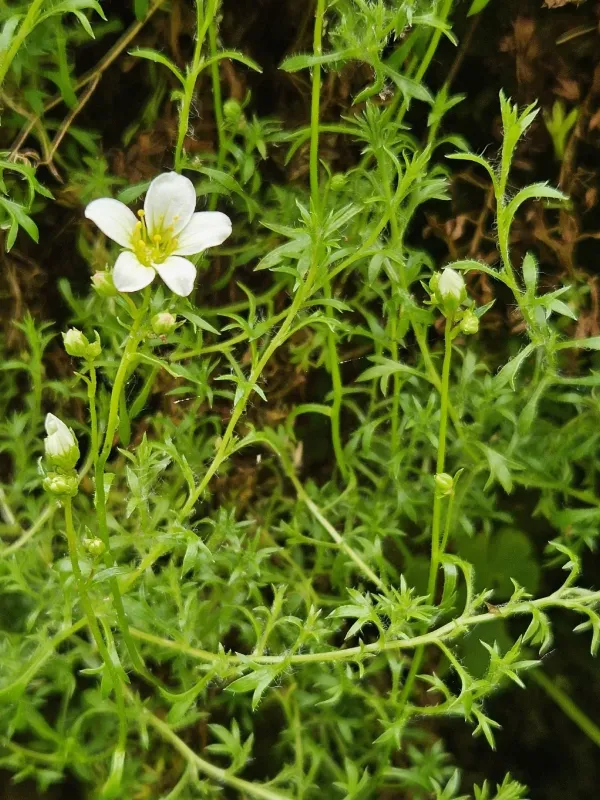
Description
Sowing dates
Propagation of Saxifraga hypnoides is most commonly achieved through seed sowing in early spring within specialized nursery containers or trays.
Seeds benefit significantly from a period of cold stratification, which mimics natural winter conditions and ensures a more uniform and vigorous germination rate.
When sowing, seeds should be surface-sown on a light, moisture-retentive substrate, as they require light for successful emergence and should not be deeply covered.
Vegetative propagation via division of established clumps is another reliable method, best performed immediately after the flowering period ends in late spring.
Young transplants should be spaced approximately 15 to 20 centimeters apart to allow sufficient airflow and room for the characteristic mossy mats to expand.
Growing requirements
Belonging to the Saxifragaceae family, this species is native to mountainous regions in Europe, where it naturally colonizes rocky crevices and scree slopes.
The plant strictly requires excellent drainage; even temporary waterlogging of the root zone can quickly lead to severe decline or plant death.
While tolerant of various light conditions, mossy saxifrage thrives best in semi-shaded environments, avoiding the intense heat of direct midday sun.
Soil requirements involve a neutral to slightly alkaline pH, composed of a porous, stony mix that provides necessary nutrients while preventing compaction.
This alpine perennial exhibits strong hardiness to low temperatures, though protective cover may be advisable in extremely dry and harsh winter environments.
Main diseases and pests
Fungal pathogens are the primary threat to this species, particularly when humidity levels are high and air circulation around the rosettes is restricted.
Root rot, driven by stagnant water and heavy soil textures, remains the most frequent cause of mortality in cultivated Saxifraga hypnoides populations.
Slugs and snails pose a consistent threat to the lush, dense foliage, often causing significant aesthetic damage if not monitored during damp growing seasons.
Aphids can occasionally infest new growth, especially during periods of stress, leading to stunted development and the need for targeted pest control measures.
Maintaining a clean, weed-free environment and promptly removing dead foliage are essential sanitary practices to minimize the risk of pest and disease outbreaks.