
Yellow marsh saxifrage
Saxifraga hirculus
Description
Growing requirements
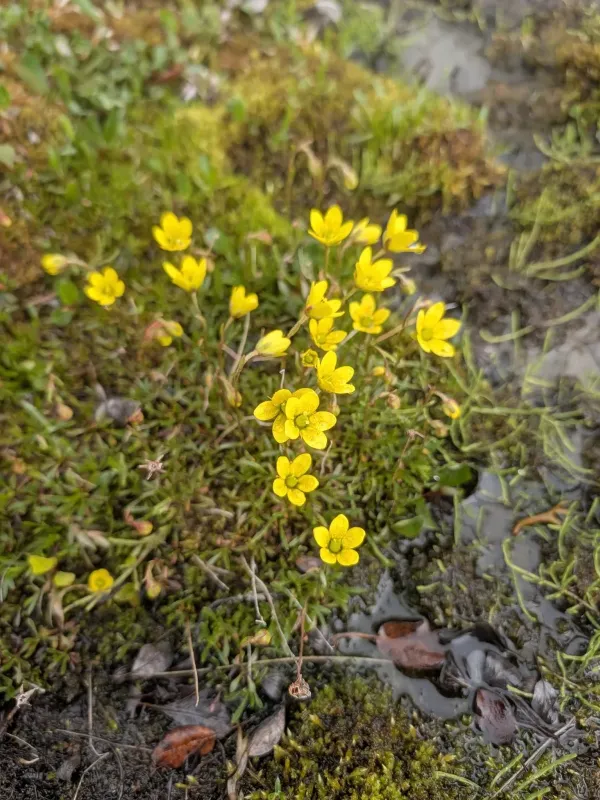
Yellow marsh saxifrage (Saxifraga hirculus) is a perennial herbaceous plant belonging to the Saxifragaceae family. This species is native to northern circumpolar regions and isolated wetland habitats in mountainous areas, where it thrives in cool and humid conditions.
The plant is biologically specialized for growth on peatlands, fens, and along waterlogged stream banks. It requires a constant supply of groundwater and performs best in open habitats where competition from large woody shrubs is minimal.
Botanically, it features a creeping rhizome system with erect, solitary flowering stems that grow up to 30 cm tall. The leaves are generally lanceolate, and the flowers are characterized by a vibrant yellow color, often appearing in mid-summer.
Soil requirements are quite strict: the plant needs acidic to neutral substrate with a high organic content. The physical texture of the soil should be porous enough to maintain aeration even when the root system is permanently saturated with water.
While not a traditional agricultural crop, understanding its ecological needs is vital for environmental restoration projects. It acts as an indicator species for pristine wetland conditions and high water quality within specific ecological niches.
Main diseases and pests
The most significant threat to this species is the alteration of hydrology, primarily through drainage and land reclamation for agricultural purposes. Lowering the water table leads to rapid desiccation and the eventual local extinction of the population.
Agricultural runoff poses a serious risk to the species. Nitrogen loading from nearby fertilizer application changes the soil chemistry, facilitating the growth of aggressive, competitive vegetation that replaces the slower-growing yellow marsh saxifrage.
Pests such as herbivorous insects can occasionally cause damage to the foliage, though this is rarely a primary driver of population decline. The main natural threat remains the gradual overgrowth of habitats by competitive vascular plants.
Pathogenic fungi may colonize the plants if environmental stressors, such as pollution or extreme temperature fluctuations, weaken the individual specimens. Maintaining ecosystem integrity is the best strategy to prevent disease outbreaks.
Climate change is considered a long-term threat as the species relies on cool temperatures to compete successfully in its specialized niches. The loss of stable, cold-climate wetland habitats limits the species' ability to maintain genetic diversity.