
Pyramidal saxifrage
Saxifraga cotyledon
Description
Sowing dates
The seeds of Saxifraga cotyledon should be sown in late winter or early spring in shallow containers filled with a gritty seed-starting mix.
Since the seeds are extremely fine, they must be surface-sown and pressed gently into the substrate without covering them with soil.
Providing a period of cold stratification can significantly improve germination rates for this alpine species.
Once the seedlings are large enough to handle, they are pricked out and transplanted into individual pots to develop a stronger root system.
Gradual acclimatization to outdoor conditions is necessary before planting them in a permanent spot in the rock garden.
Growing requirements
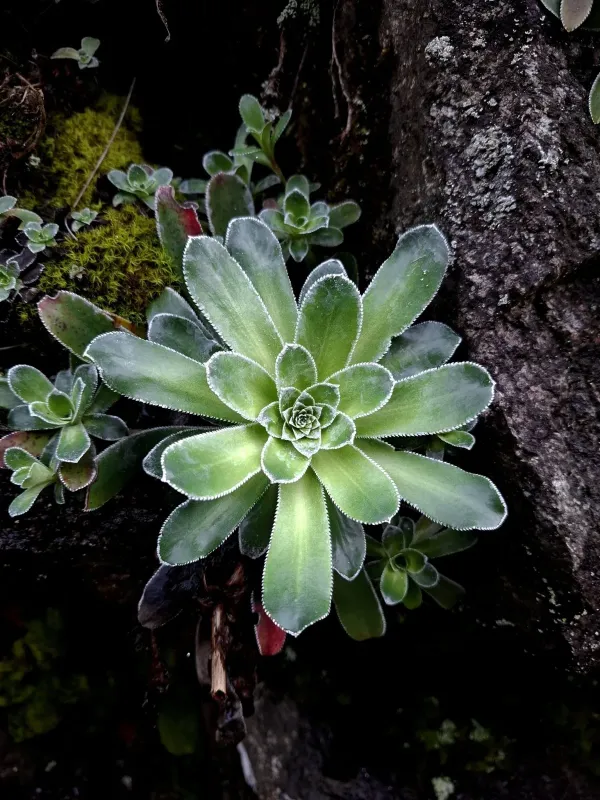
Saxifraga cotyledon, commonly known as Pyramidal saxifrage, is a perennial member of the Saxifragaceae family known for its spectacular rosettes.
This plant originates from the high mountains of Europe, where it thrives in rocky outcrops and limestone crevices.
Cultivation requires a well-drained, nutrient-poor soil that mimics the rocky mountain environment to prevent water retention.
The plant prefers partial shade to full sun and is highly resilient to cold winters, making it ideal for alpine garden enthusiasts.
Proper aeration and avoiding direct contact with damp soil around the crown are essential for preventing moisture-related plant decay.
Main diseases and pests
The main threat to Pyramidal saxifrage is root rot, which typically develops in poorly drained soils or during periods of excessive rain.
Fungal diseases can compromise the integrity of the leafy rosettes if airflow around the plant is insufficient during humid summers.
Spider mites are common pests that may invade the rosettes, causing yellowing and weakening of the plant structure.
Slugs and snails can also pose a significant risk, particularly to young, vulnerable rosettes in the spring growing season.
Integrated pest management, including regular monitoring and the use of appropriate biological controls, is recommended for healthy growth.
Harvesting
As an ornamental crop, the harvesting of Pyramidal saxifrage is focused solely on collecting seeds once they are fully mature.
The plant produces impressive pyramidal panicles of white or pink-tinged flowers during the early summer months.
After the flowering cycle is complete, the individual rosettes that have produced blooms usually decline, while smaller offsets continue to grow.
Maintenance includes pruning the spent flower stalks to maintain the tidy appearance of the rock garden and focus the plant's energy on offsets.
Propagation is most efficient through division, where offsets are carefully detached from the parent plant after the flowering season concludes.