
Gold-leaved saxifrage
Saxifraga chrysosplenifolia
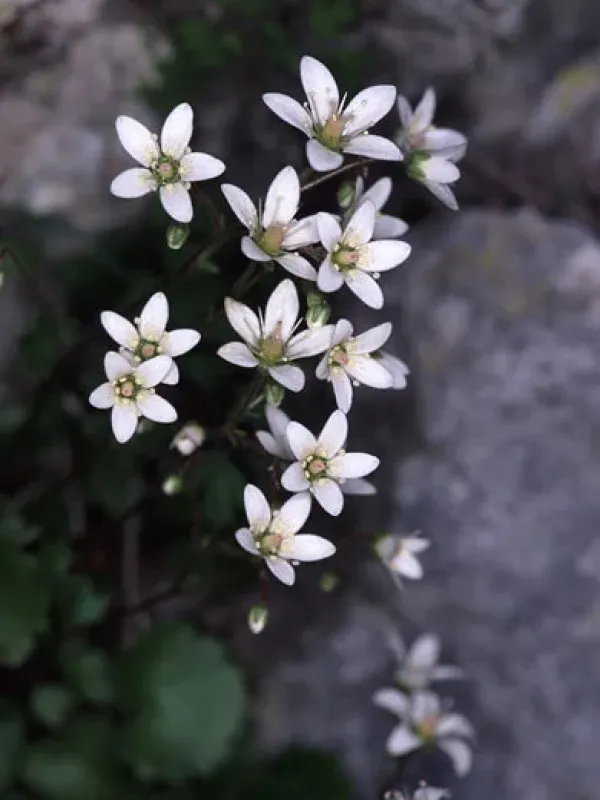
Description
Sowing dates
Propagation of the gold-leaved saxifrage is most efficiently performed through division of mature clumps during the early spring or autumn seasons.
Seed sowing requires a cold stratification period of at least one to two months, which is essential to break dormancy and ensure high germination rates.
Seeds should be sown on the surface of a fine-textured, well-draining substrate, as they require adequate light exposure to trigger the germination process.
Seedlings need protection from extreme weather and should be kept in a temperate, well-ventilated nursery environment until they develop true leaves.
Transplanting into final locations in the rock garden should be done carefully to avoid damaging the delicate root system, ensuring a spacing of at least 15 cm.
Growing requirements
Saxifraga chrysosplenifolia belongs to the Saxifragaceae family and is an alpine perennial adapted to mountainous environments with cool, refreshing climates.
The plant thrives in partial shade, especially in areas where summer heat can be intense, as direct scorching sun can lead to leaf burn and wilting.
Soil composition must prioritize drainage, ideally using a grit-based or stony medium that mimics natural rocky slopes where the plant originates.
While the plant needs constant access to moisture, it is imperative to maintain excellent drainage to prevent the root zone from becoming waterlogged.
Regular maintenance involves keeping the environment tidy and ensuring that no organic debris accumulates within the dense basal rosette of the plant.
Main diseases and pests
The most significant threats to the gold-leaved saxifrage are fungal infections prompted by stagnant moisture and poor air circulation around the crown.
Root rot is a major risk factor if the growing medium is too dense or if the planting site lacks a steep enough slope to shed excess surface water.
Slugs and snails are the primary pests that damage the succulent foliage, particularly during wet weather when these pests are most active.
Under stressed conditions caused by irregular watering or high heat, the plant may become susceptible to infestations of aphids or spider mites.
Proactive care involves using inorganic mulches like pea gravel to keep the foliage raised away from damp soil, significantly reducing the risk of rot.