
Saxifraga biternata
Saxifraga biternata
Description
Growing requirements
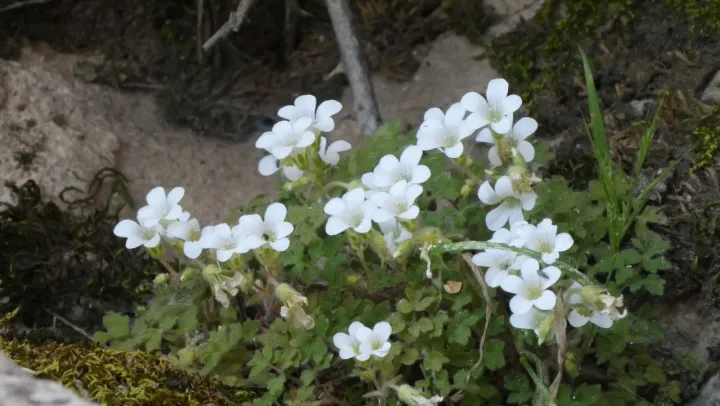
Saxifraga biternata is a rare, perennial herbaceous plant belonging to the Saxifragaceae family. This species is an endemic plant native to specific limestone habitats in Spain, where it thrives in crevice environments characterized by high mineral content and low moisture retention.
The botanical structure of this plant consists of dense, low-growing cushions made of small, intricately biternate leaves. These leaves are the key identifying feature, providing a delicate and refined appearance that is highly sought after in the world of alpine gardening.
Cultivation requirements are strict, mimicking its mountain origins. The plant requires a specialized gritty, limestone-based soil substrate that provides rapid drainage and adequate oxygenation for the roots. It cannot survive in compacted or overly organic soils.
Temperature and climate conditions must be moderate. While the plant is hardy, it is intolerant of high humidity combined with high temperatures, which can cause rapid tissue decay. Providing a well-ventilated location with bright light is essential for its development.
The primary use of this species is in specialized rock gardens and alpine houses. Its aesthetic appeal lies in its geometric foliage pattern, making it a perfect candidate for pot culture where growing conditions can be precisely controlled by the gardener.
Main diseases and pests
Root rot remains the most significant threat to Saxifraga biternata, usually triggered by improper watering schedules or poor soil drainage. Ensuring that the crown of the plant stays dry while keeping the roots slightly moist is a delicate balance.
Spider mites are a common pest, particularly in protected environments like greenhouses or cold frames. They thrive in dry, stagnant air, so ensuring proper airflow is one of the most effective ways to discourage their colonization of the foliage.
Fungal diseases such as Botrytis may appear if moisture is trapped within the dense cushions. Removing dead leaves and maintaining a sterile environment around the base of the plant are critical steps in preventing secondary infections.
Root-feeding insects can be particularly devastating as the damage is often discovered too late. Regular monitoring of the plant's stability in the soil can help detect early signs of root damage or soil compaction.
Slugs and snails are opportunistic feeders that can destroy the delicate rosettes of this species in a single evening. The use of copper tape or organic baits around the perimeter of the planting area is highly recommended during the active growing season.