
Saxifraga biflora
Saxifraga biflora
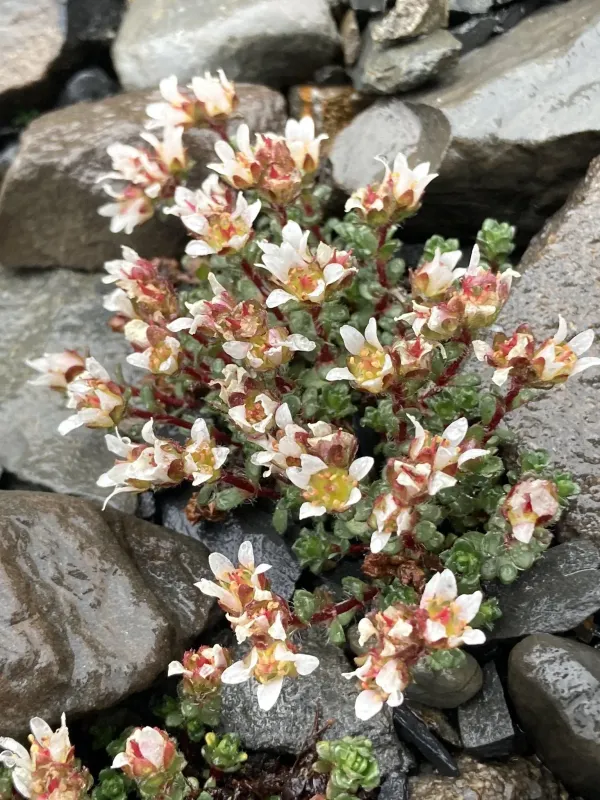
Description
Sowing dates
Propagation of Saxifraga biflora is predominantly achieved through vegetative methods, such as division of established clumps or rooting of individual rosettes in early spring.
Seed propagation requires a period of cold stratification, as these alpine seeds have evolved to germinate only after the harsh winter temperatures subside.
Seeds should be sown on the surface of a grit-based substrate, avoiding deep burial, as light exposure is essential for the germination process to begin.
Early spring is the ideal time for sowing, allowing the young plants sufficient time to establish strong root systems before the arrival of intense summer heat.
Consistent moisture must be maintained during the initial stages of growth; however, it is vital to ensure that the medium remains well-drained to avoid seedling rot.
Growing requirements
Saxifraga biflora belongs to the Saxifragaceae family and is native to the high altitudes of the Alps, where it thrives in rocky crevices and limestone scree slopes.
The cultural requirement involves a gritty, nutrient-poor substrate that mimics the geological composition of its natural mountain habitat, ensuring excellent drainage.
While the plant requires significant sun exposure to maintain compact growth, it is sensitive to intense heat and requires protection from scorching midday sun in lowland areas.
High humidity and cool nights are conducive to healthy development, reflecting its native habitat near glaciers and melting snow fields.
In landscaping, this species is best suited for alpine gardens or trough gardens where it can be planted between rocks to provide the necessary root cool-down.
Main diseases and pests
Root rot is the most significant threat to Saxifraga biflora, usually caused by stagnant water or soil that retains moisture for too long, particularly in winter.
Fungal pathogens such as powdery mildew may develop if the plant lacks sufficient air circulation, leading to tissue necrosis within the tight rosettes.
Pests like spider mites can become problematic during dry, hot weather, causing the foliage to lose its vibrant color and eventually wither if left untreated.
Nematode infestations can cause severe stress to the root system, resulting in stunted growth and a general decline in the plant's overall health and vigor.
Preventative measures, such as placing a layer of fine gravel around the base of the plant, help protect the foliage from moisture-related rot and soil pathogens.