
Saxifraga arachnoidea
Saxifraga arachnoidea
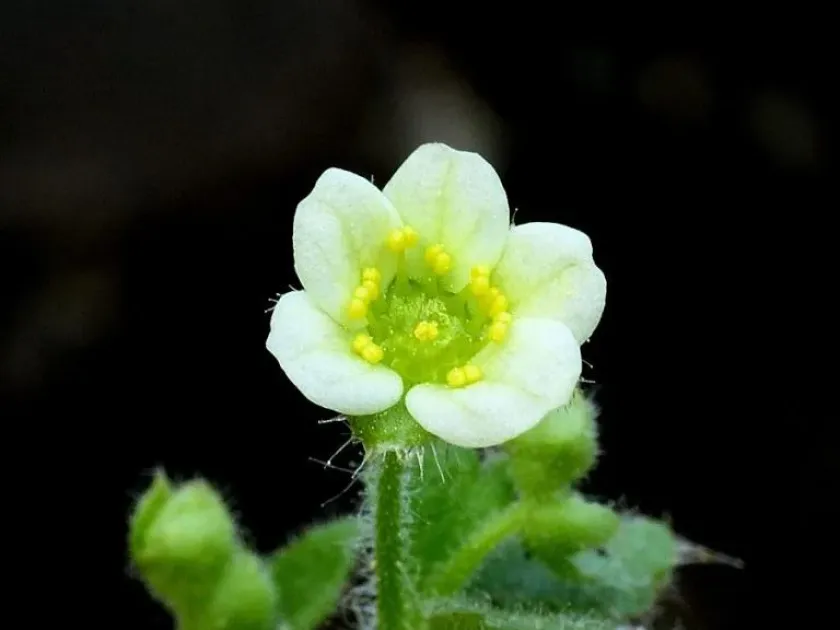
Description
Sowing dates
Sowing seeds of Saxifraga arachnoidea is ideally performed in autumn for natural stratification or in early spring following a cold treatment. The seeds are extremely fine, requiring surface sowing on a moist, gritty substrate without covering them with soil.
Maintain an ambient temperature of approximately 16–18 degrees Celsius for germination. Cover the sowing containers with transparent material to ensure high humidity, while providing daily ventilation to prevent the accumulation of excess moisture.
Germination is often slow and erratic, occurring over several weeks. Once the seedlings develop their first true leaves, they require gentle handling and a bright environment with protection from harsh direct afternoon sun.
Commercial nurseries often prefer vegetative propagation to ensure uniformity. Dividing the rosettes or taking small cuttings during the active growing season allows for quicker maturation and reliable plant establishment.
Transplanting the young plants into their final garden location is best done when the weather is stable. Space the plants about 20 centimeters apart to allow enough room for the characteristic rosettes to expand and form dense mats.
Growing requirements
Saxifraga arachnoidea is a member of the Saxifragaceae family, natively adapted to rugged mountain slopes and rock crevices. It thrives in well-draining, mineral-rich, and gritty soils that mimic its natural stony habitat.
Proper drainage is the most critical factor for success. The growing medium must include significant portions of sand, grit, or fine gravel to prevent water stagnation, which is fatal to the root system of this species.
Ideal exposure is partial shade or light eastern sun. While it requires light to maintain its compact form, excessive heat or direct sunlight without adequate air circulation can stress the plant and lead to tissue damage.
Watering should be performed carefully, aiming to keep the soil slightly moist but never waterlogged. During winter, it is essential to keep the plant as dry as possible to prevent rot associated with cold, damp conditions.
Fertilization should be kept to an absolute minimum. Excess nitrogen stimulates rapid, weak growth that ruins the plant's natural beauty. A diluted dose of a balanced mineral fertilizer once per year is generally sufficient.
Main diseases and pests
The most significant threat to the cobweb saxifrage is fungal disease resulting from poor drainage and high humidity. Root rot and damping-off are primary concerns, often identified by the rapid decay of the central rosette.
Pests such as spider mites can infest the foliage, particularly during hot and dry summer months. These mites thrive in protected crevices and can be identified by fine webbing and yellowing of the leaf tissue.
Aphids occasionally colonize the flower stalks during the spring. If an infestation is detected, treatment with targeted, mild insecticides is necessary to protect the plant's vigor and decorative appearance.
Gastropods, including snails and slugs, are attracted to the succulent foliage of the plant. Maintaining a clean garden bed and using physical barriers like coarse gravel can significantly reduce the risk of mechanical damage.
Good air circulation is the best preventative measure against most pests and diseases. By avoiding overcrowding and ensuring the soil surface dries between waterings, growers can significantly extend the lifespan of their plants.