
Yellow mountain saxifrage
Saxifraga aizoides
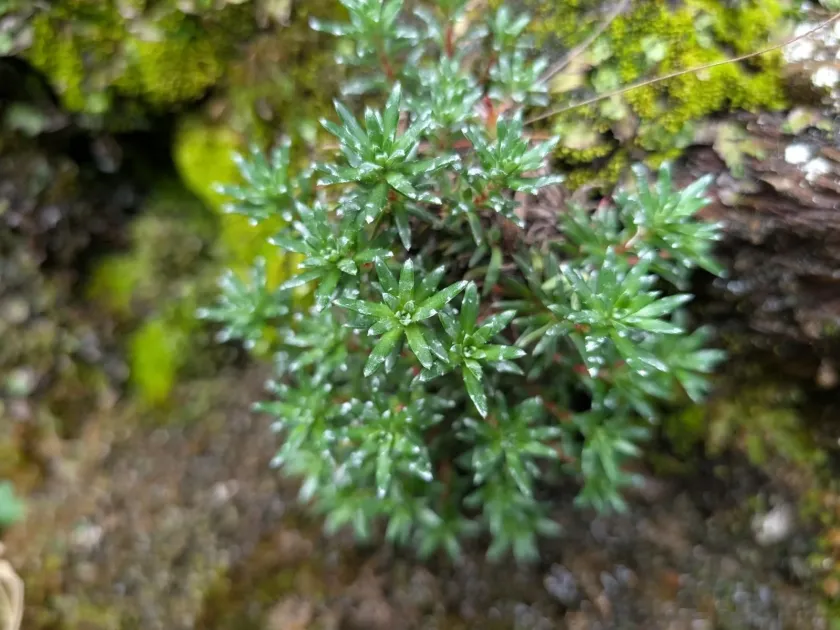
Description
Sowing dates
Propagation of Saxifraga aizoides is typically performed through seeds, which require a period of cold stratification to break dormancy and ensure successful germination.
The best practice is to sow seeds in late autumn, allowing them to undergo natural winter chilling in a protected cold frame or outdoor container.
Since the seeds are extremely small, they should be surface-sown onto a fine, moist, and free-draining substrate without covering them with soil.
Light is essential for the germination process, so seeds should never be buried, and the container should be kept in a bright, cool environment.
Once seedlings have developed at least two pairs of true leaves, they can be transplanted into individual pots or directly into a permanent alpine bed.
Growing requirements
Belonging to the Saxifragaceae family, this species is naturally adapted to cool, moist environments and is commonly found in subarctic and alpine regions.
The plant thrives in soil that is neutral to slightly alkaline, incorporating plenty of gravel or grit to facilitate perfect drainage around the roots.
It prefers a location that offers cool temperatures and partial shade, particularly in climates where summer heat can be intense and damaging.
Consistent soil moisture is required for optimal health, as this saxifrage does not tolerate prolonged drought or completely dry conditions.
Cultivation success in a garden setting relies on mimicking its native habitat, specifically by using rock mulch to keep the root zone cool and aerated.
Main diseases and pests
Root rot is the most common physiological disorder, usually caused by stagnant water or soil that remains saturated for extended periods during warmer months.
Fungal infections, such as mildew, can appear if air circulation around the compact rosettes is poor, leading to significant foliage damage.
Gastropods like slugs and snails are the primary pests, often attracted to the lush and moist environment that the saxifrage requires to grow.
Preventative measures include maintaining clear surroundings, avoiding overhead watering, and using gravel as a barrier against soil-borne pests.
Regular inspection of the plant base for signs of decay or pest activity allows for timely intervention to protect the integrity of the colony.