
White Alumroot
Heuchera alba
Description
Growing requirements
White Alumroot (Heuchera alba) is a herbaceous perennial plant belonging to the Saxifragaceae family. This species is native to the Appalachian Mountains in the United States, typically found in rocky, well-drained woodlands and mountain slopes.
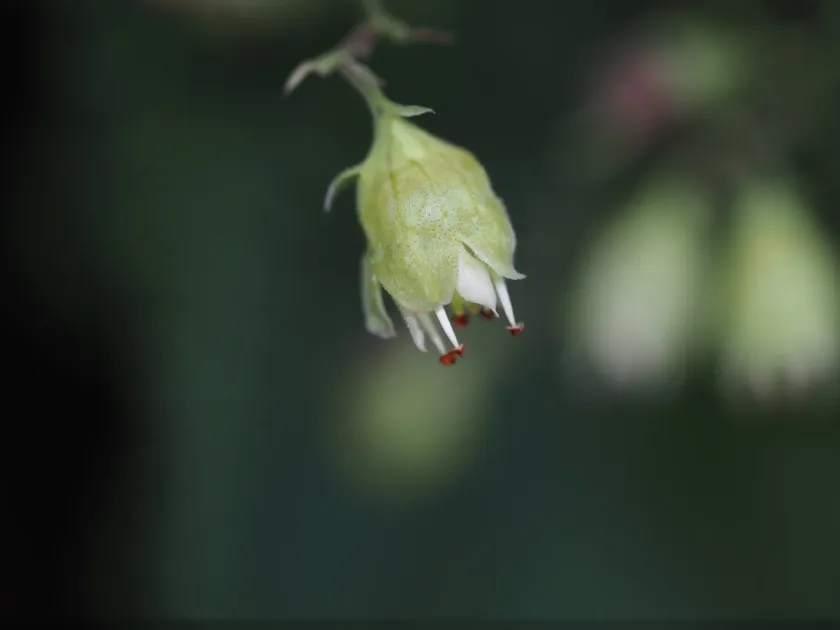
The plant is characterized by a compact rosette of basal, rounded leaves with serrated margins. Its botanical appeal is enhanced by tall, slender spikes of small white flowers that emerge in early summer, providing a delicate and airy aesthetic to any garden landscape.
In terms of cultivation, the plant requires well-aerated, humus-rich soil that ensures efficient drainage. While it thrives in fertile conditions, it is crucial to avoid heavy, waterlogged soils that can promote root decay and significantly shorten the lifespan of the perennial.
Regarding climate and site requirements, this species favors partial shade conditions, particularly in regions with intense summer heat. While it can adapt to some direct sun, filtered sunlight is generally preferred to maintain foliage health and vibrant plant vigor.
Its primary agricultural and horticultural utility lies in landscape design, serving as an ideal candidate for rock gardens, mixed borders, and woodland-style plantings. It remains popular due to its low maintenance needs and ability to integrate into various garden designs.
Main diseases and pests
The plant is susceptible to various fungal pathogens, such as powdery mildew and rust, which often occur in high-humidity environments with stagnant air. Maintaining proper plant spacing is the most effective cultural method to prevent these infections.
Common pests include weevils and aphids, which can damage leaves and compromise the root systems of younger plants. Integrated pest management, including the use of targeted horticultural oils or insecticides, is recommended if population thresholds are exceeded.