
Bensoniella
Bensoniella
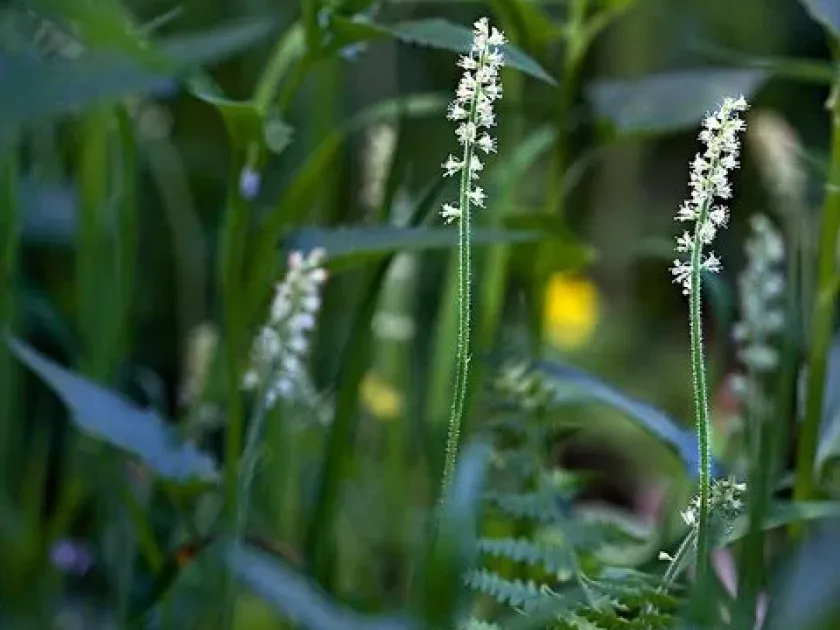
Description
Growing requirements
Bensoniella (Bensoniella oregona) is a rare perennial herbaceous plant belonging to the Saxifragaceae family. This genus is monotypic, meaning it contains only one species, which makes it a unique and ecologically significant subject within the North American flora.
The plant is native to the Pacific Northwest region, specifically within parts of southern Oregon and northern California. Its natural habitat consists of moist mountain meadows and shaded forest margins, where it thrives in cool, humid conditions and protected microclimates.
Successful cultivation of this species requires mimicking its natural environment. It demands well-draining, humus-rich soil that retains moisture without becoming waterlogged. Partial shade is essential, as the plant is susceptible to heat stress and desiccation when exposed to direct, intense sunlight.
While not an agricultural crop in the traditional sense, Bensoniella is of scientific interest for conservation and botanical preservation. It is occasionally found in specialized gardens where researchers and enthusiasts manage its specific soil and humidity requirements to maintain healthy populations.
The plant exhibits a rosette-forming habit with attractive, delicate foliage and distinct inflorescences. Reproduction and propagation techniques in ex-situ conservation require careful attention to stratification and substrate chemistry to ensure seed viability and seedling survival.
Main diseases and pests
The primary threats to Bensoniella are habitat degradation, landscape fragmentation, and the encroachment of invasive plant species. In artificial cultivation, the greatest risks involve fungal pathogens, such as root rot, which are often exacerbated by poor air circulation and excessive moisture.
Regarding pests, gastropods such as slugs and snails are frequent threats, as they can quickly defoliate the plant. Additionally, greenhouse-grown plants may suffer from spider mite infestations if humidity levels are not properly regulated during the warmer summer months.