
Mimusops elengi
Mimusops elengi L.
Description
Sowing dates
Propagation of Mimusops elengi is primarily achieved through seeds, as vegetative propagation via cuttings shows low success rates. Seeds should be sown immediately after collection because they lose viability rapidly if stored for long periods.
Successful germination requires a temperature range of 25–30 degrees Celsius and consistently moist, well-draining substrate. Seedlings typically emerge within 3 to 5 weeks when provided with optimal warmth and sheltered conditions.
Seedlings should be transplanted into individual containers once the first pair of true leaves is fully developed. Deep pots are essential due to the plant's taproot system, which is highly sensitive to disturbance and breakage during handling.
Young plants require a gradual transition to full sunlight to prevent leaf scorch. Steady, uniform growth is usually observed once the plant reaches a height of 30–40 centimeters under nursery conditions.
Field planting is ideally scheduled for the beginning of the rainy season to allow the root system to establish itself thoroughly before the onset of the next dry period.
Growing requirements
This species belongs to the Sapotaceae family and is native to the tropical forests of South and Southeast Asia. It thrives in well-lit locations but can tolerate partial shade during its early developmental stages.
Mimusops elengi demands fertile, loamy soil with excellent drainage, as it is highly susceptible to root rot in waterlogged conditions. The ideal soil pH ranges from neutral to slightly acidic to ensure nutrient uptake.
The plant requires a warm climate, with temperatures between 22 and 35 degrees Celsius being optimal for growth. It cannot survive frost, limiting its cultivation to tropical and subtropical zones.
Regular irrigation is vital for young trees, especially during the dry season. Mature trees, however, develop deep roots that grant them a degree of drought tolerance once they are fully established in the landscape.
Pruning is necessary to maintain a desired shape and to remove dead or diseased branches. The tree grows slowly, so patience and long-term planning are required for plantation or landscape management.
Yield
The economic value of Mimusops elengi lies in its aromatic flowers and edible fruit. The flowers are highly prized for their strong, lasting fragrance, making them a key ingredient in perfume and essential oil production.
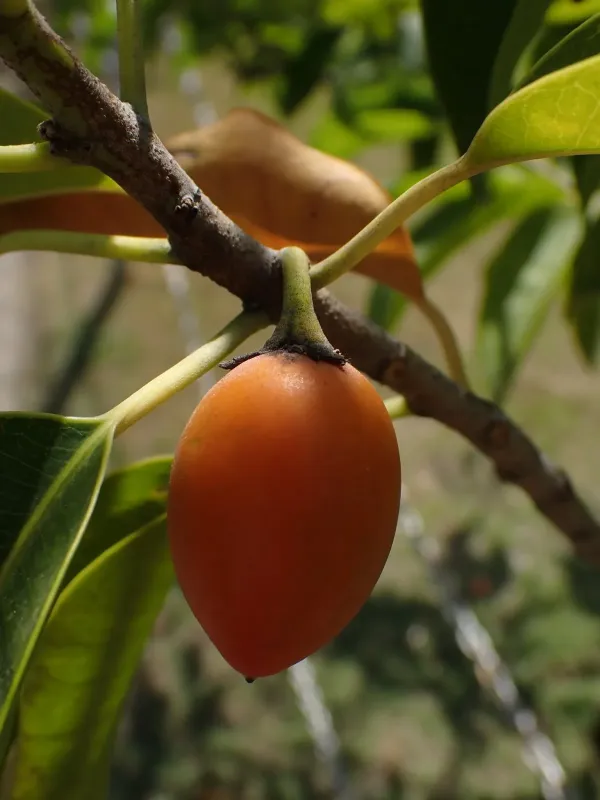
The fruit is a small, orange-red berry that is edible and often used in traditional preserves, jams, and local culinary practices. Productive trees can provide a significant harvest once they reach maturity.
Its timber is renowned for its durability, hardness, and resistance to water, making it a preferred material for high-quality furniture, boat building, and structural applications in its native range.
Proper fertilization with potassium-rich nutrients during the flowering and fruiting season significantly increases crop yields. Consistent management ensures that trees remain productive for many decades.
Flowers are typically hand-harvested in the early morning to capture the peak concentration of volatile oils. Proper drying and processing techniques are essential to preserve the fragrance for commercial export.
Main diseases and pests
Common pests affecting Mimusops elengi include scale insects and mealybugs, which feed on the sap of young shoots and foliage. Severe infestations can lead to stunted growth and premature leaf drop.
Fungal diseases, such as leaf spot and anthracnose, often emerge in high-humidity environments with poor airflow. Maintaining tree health through pruning and adequate spacing is the best preventive measure.
Insecticide treatment or the application of horticultural oils is recommended when pest populations exceed acceptable thresholds. Integrated pest management (IPM) practices help minimize chemical reliance.
Root rot is a major threat caused by poor soil drainage and improper irrigation. Ensuring the planting site has adequate slope and aeration is critical to protecting the root system from decay.
Nematodes can affect the root systems in nurseries, potentially hindering plant vigor. Using sterilized soil media and obtaining healthy stock from certified nurseries are key steps in mitigating this problem.