
Melicope simplex
Melicope simplex A. Cunn.
Description
Growing requirements
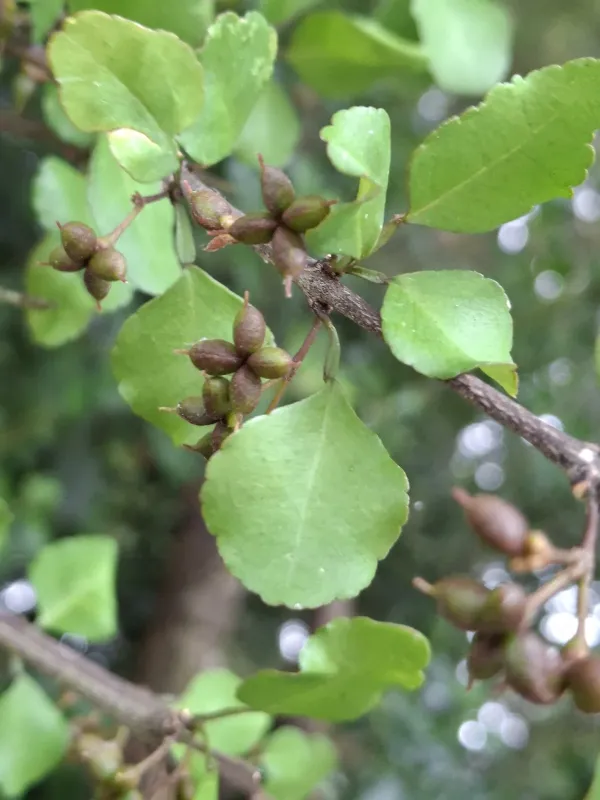
Melicope simplex is an evergreen shrub or small tree belonging to the Rutaceae family. It is recognized for its distinctive appearance, exhibiting significant heterophylly where the leaf shape changes as the plant matures from its juvenile to adult stage.
Native to New Zealand, this species naturally thrives in lowland forests and shrublands. It requires fertile, moist, yet well-drained soil to support its relatively slow growth rate and overall vigor in garden settings.
Climate requirements include protection from harsh, drying winds and direct, intense sunlight. It prefers environments that mimic its natural forest-edge habitat, often performing best in dappled light or semi-shaded positions.
Cultural practices focus on consistent irrigation to avoid moisture stress. While it does not require heavy fertilization, an annual application of organic compost helps sustain soil nutrient levels and improves microbial activity around the root zone.
The primary use of Melicope simplex is decorative and horticultural. Its dense habit makes it an excellent candidate for screening, hedging, or as a structural element in native plant gardens where architectural form is valued.
Main diseases and pests
The plant is susceptible to common garden pests such as aphids and scale insects. These pests often congregate on tender new growth, requiring manual removal or application of horticultural oils for control.
Fungal issues, particularly powdery mildew, can occur if the plant is grown in areas with high humidity and stagnant air. Ensuring proper plant spacing and selective pruning can significantly reduce the risk of infection.
Root health is critical for this species; it is prone to root rot if soil drainage is inadequate. Managing water delivery is essential to prevent anaerobic conditions that favor soil-borne pathogens.
Spider mites may affect the plant during hot, dry weather periods if the ambient moisture is not managed correctly. Frequent light spraying of the foliage can help prevent mite infestations.
Overall plant health is the best defense against threats. Maintaining a regular monitoring schedule allows for the early detection and management of any pest or disease outbreaks before they compromise the structure of the shrub.