
Melicope ternata
Melicope ternata J.R. et G. Forst.
Description
Growing requirements
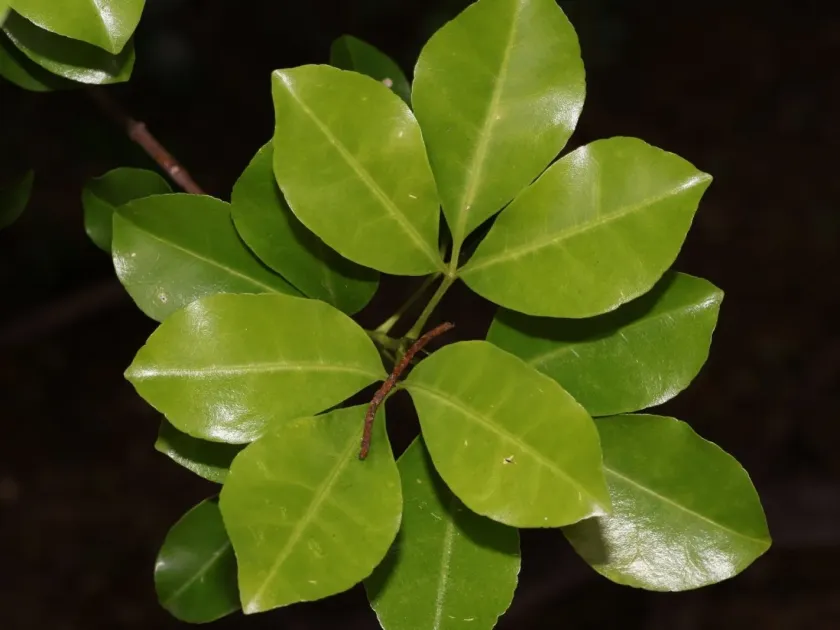
Melicope ternata, commonly known in its native New Zealand as Wharangi, is a distinctive evergreen shrub or small tree belonging to the Rutaceae family. It is widely recognized for its glossy, aromatic, trifoliate leaves that emit a pleasant citrus scent when crushed.
The plant thrives in temperate coastal environments and prefers sheltered positions. In its natural habitat, it occupies forest margins and scrublands, indicating a preference for environments that provide protection from harsh, drying winds and excessive exposure to direct heat.
Regarding soil requirements, Melicope ternata demands a well-drained, fertile substrate. Heavy clay soils that retain excess moisture can be detrimental, leading to root rot; therefore, incorporating organic matter and grit is highly recommended for optimal plant development.
Climate tolerance is a limiting factor for this species, as it is not frost-hardy. It is best suited for coastal gardens or as a conservatory plant in cooler latitudes. It prefers consistent temperatures and requires protection if local winters drop towards freezing points.
Agrotechnical care includes consistent watering during the growing season, ensuring the root ball remains moist but never waterlogged. Seasonal feeding with a balanced liquid fertilizer can help maintain the vibrant, healthy foliage that makes this plant a sought-after ornamental species.
Main diseases and pests
The primary pests affecting this plant include scale insects and spider mites, which are particularly prevalent in protected or greenhouse environments. Monitoring undersides of leaves and maintaining optimal air circulation are essential management practices to prevent outbreaks.
Fungal issues such as root rot or leaf spot can occur if drainage is insufficient or if the plant is kept in high-humidity areas with stagnant air. Adhering to strict watering protocols and utilizing systemic fungicides if necessary will ensure the long-term health of the shrub.