
Sieversia
Sieversia
Description
Growing requirements
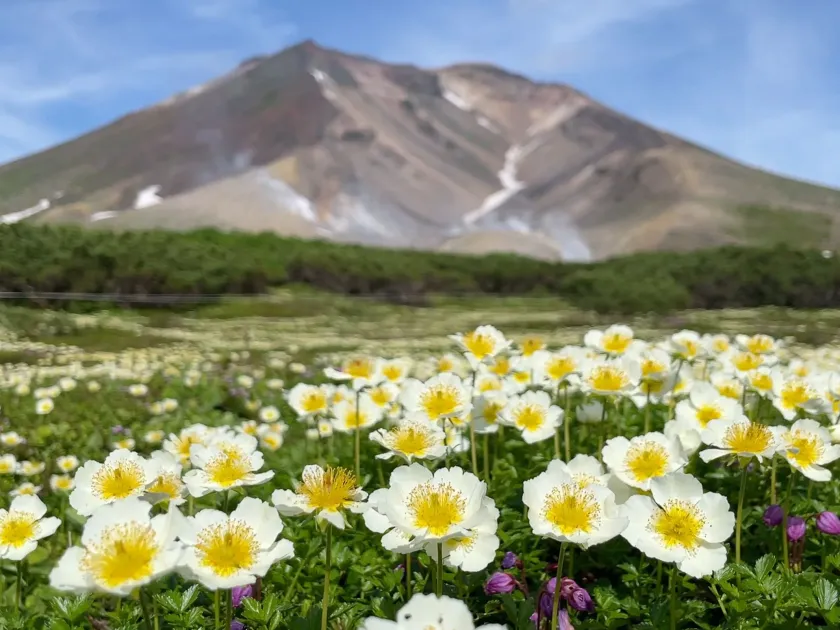
Sieversia belongs to the Rosaceae family and consists of perennial herbaceous plants primarily native to alpine and subalpine regions. These plants are naturally adapted to thrive in harsh, high-altitude conditions, often found in rocky slopes and mountain meadows.
Cultivation requires specific climatic conditions, favoring cool summers and moderate moisture levels. High temperatures combined with dry air are often detrimental to the plant's health, making it essential to choose locations that provide shelter from intense afternoon heat.
The soil requirements for Sieversia include excellent drainage and a loose, gritty texture. Soils with high mineral content are preferred, as the plant naturally grows in rocky substrates where moisture does not accumulate around the roots for extended periods.
In landscaping, Sieversia is highly valued for its ornamental appeal, particularly in rock gardens and alpine beds. Its early spring blooming cycle makes it a sought-after species for gardeners looking to extend the visual interest of their mountain-themed landscapes.
Botanically, the plant is characterized by a sturdy root system and basal leaf rosettes. The flowers are generally terminal and solitary or clustered, reflecting the plant's energy into rapid growth once the snow melts in its native mountain habitats.
Main diseases and pests
The primary threats to Sieversia health are root rots and fungal infections, typically caused by poor soil drainage and stagnant water. Once the root system begins to decay, recovery is difficult, making preventative drainage measures paramount.
Pests such as aphids and spider mites can occasionally affect the plant during warmer, drier spells. These pests target the younger, more tender foliage and flower buds, potentially weakening the entire specimen if left untreated.
Effective management includes maintaining proper air circulation around the plants and avoiding overcrowded plantings. Utilizing inorganic mulch, such as stone chippings, helps keep the root crown dry and free from soil-borne pathogens.
When chemical or biological control is necessary, targeted insecticides or fungicides should be applied carefully according to the manufacturer's instructions. Always ensure that the chemical used is safe for the specific variety of alpine plant being treated.
Routine inspection of the leaves and roots is recommended to detect early signs of stress. By strictly adhering to alpine-specific horticultural practices, gardeners can significantly mitigate the impact of common pests and diseases on this hardy perennial.