
Sibiraea tomentosa
Sibiraea tomentosa
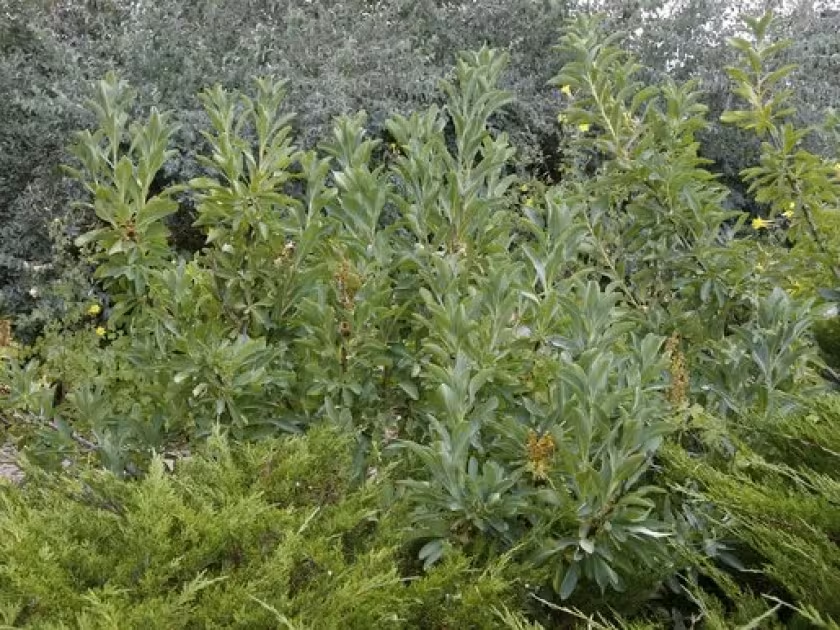
Description
Growing requirements
Sibiraea tomentosa is a deciduous shrub belonging to the Rosaceae family. It is native to the mountain ranges of Central Asia, where it typically thrives in rocky terrain and subalpine meadow environments.
This shrub is highly valued for its exceptional cold hardiness, making it an excellent choice for northern gardens. It requires a location with full sunlight exposure to ensure healthy foliage development and consistent flowering.
Soil requirements focus on excellent drainage. Sibiraea tomentosa performs best in sandy or gravelly, moderately fertile soils. It is critical to avoid waterlogged conditions, which can be detrimental to its root system health.
The cultural practices include light pruning to maintain the desired shape and regular weeding around the base. Because of its slow-growing nature, the plant is relatively low-maintenance once it has been established.
In landscaping, it is used for slope stabilization and as a structural element in shrub borders. Its unique foliage and graceful habit make it a desirable choice for rock gardens and naturalized landscape designs.
Main diseases and pests
The most common health issues for Sibiraea tomentosa stem from poor site selection, particularly poor soil aeration. Root rot is a significant threat if the shrub is planted in heavy, water-retaining soils.
Pests such as aphids may occasionally infest new growth during the spring months. Monitoring during the early vegetative phase is recommended to catch and address potential infestations before they escalate.
Powdery mildew can occur in stagnant, humid environments. To prevent this, ensure that there is sufficient airflow between individual shrubs and avoid overhead irrigation during the warmer parts of the day.
Mechanical damage to the bark or stems can provide entry points for pathogens. Proper tool hygiene during pruning is essential to maintain the overall health and vigor of the ornamental shrub population.
Using preventive fungicides during exceptionally wet seasons can protect the shrub from fungal infections. Focus on keeping the base of the plant dry to discourage soil-borne pathogens from affecting the roots.