
Sibiraea laevigata
Sibiraea laevigata
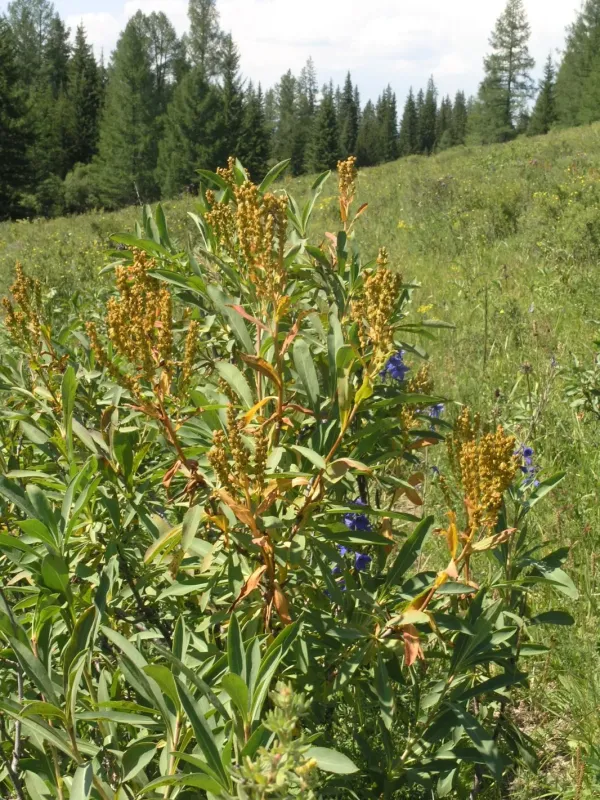
Description
Growing requirements
Sibiraea laevigata is a perennial deciduous shrub belonging to the Rosaceae family. Native to the mountainous regions of the Altai and Sayan ranges, it is highly valued for its exceptional hardiness and natural ability to thrive in harsh environments.
This shrub requires full sun to partial shade for optimal growth, although it is quite adaptable to various exposure conditions. Well-draining soil is essential for the healthy development of its root system, as it dislikes waterlogged conditions which may impede its growth.
One of its primary features is its extreme winter hardiness, allowing it to withstand severe frost without damage. Furthermore, once established, it demonstrates excellent drought tolerance, making it a low-maintenance choice for dry landscapes.
Agricultural management involves regular pruning to maintain its structural integrity and encourage the production of fresh, vibrant foliage each season. Fertilizer application is generally minimal, focusing on balanced nutrients to support vigorous vegetative growth.
Propagation is most efficiently achieved through cuttings or division, which are reliable methods for expanding plantings in nursery or garden settings. Seed propagation is possible but generally requires cold stratification to achieve satisfactory germination rates.
Main diseases and pests
Sibiraea laevigata is naturally resistant to many common pests and diseases, making it a reliable plant for low-input garden management. However, improper drainage remains a risk factor that can lead to root diseases.
Aphids can occasionally colonize young growth during the spring, leading to leaf curling and stunted shoot development. Applying insecticidal soap is typically sufficient to control these infestations without harming the overall plant health.
Powdery mildew may occur in stagnant, humid environments with poor air circulation. To prevent this, ensure that individual shrubs are spaced adequately and avoid overhead watering that keeps the foliage consistently wet.
Integrated pest management strategies should focus on maintaining healthy plant vigor through proper site selection and sanitation. Removing debris from around the base of the shrub prevents the accumulation of pathogens that could infect the plant.
By monitoring the plant throughout the growing season, gardeners can easily manage minor issues before they escalate. With proper care, this resilient species provides long-term decorative value with minimal intervention.