
Photinia glabra
Photinia glabra (Thunb.) Franch. & Sav.
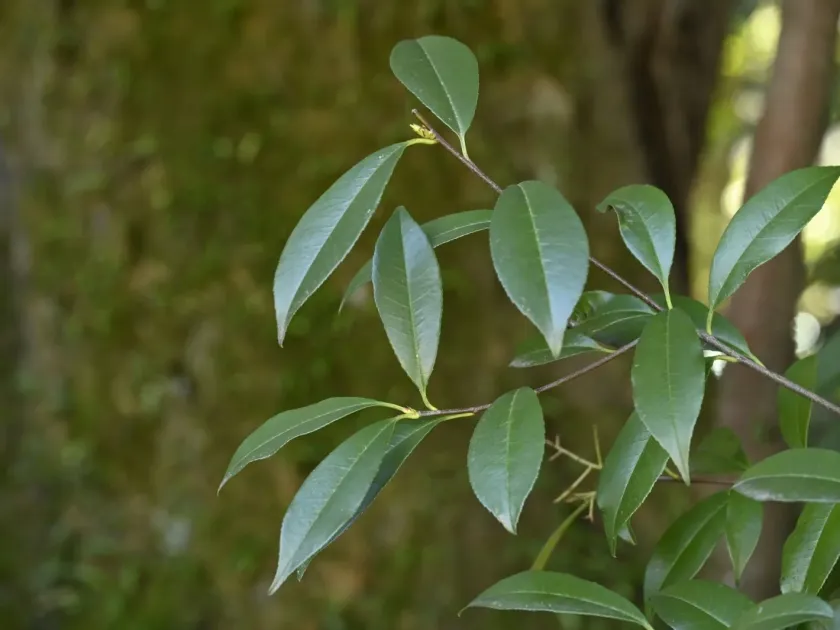
Description
Growing requirements
Photinia glabra is an evergreen shrub belonging to the family Rosaceae, highly valued in horticulture for its spectacular reddish-copper new foliage. This growth habit makes it a popular choice for screening and ornamental hedging in temperate climates across the world.
Originating from East Asia, including Japan and China, this species thrives in regions with mild winters. In areas prone to hard frosts, it requires a sheltered position to protect it from cold, drying winds that can damage the foliage and cause dieback of young shoots.
The plant performs best in fertile, well-draining soil with a pH ranging from slightly acidic to neutral. Ensuring proper drainage is critical, as Photinia glabra is highly susceptible to root rot if the root zone remains consistently waterlogged for extended periods.
While it is relatively adaptable, it prefers full sun to light shade. Exposure to direct sunlight is essential for maintaining the characteristic deep red intensity of the spring foliage; plants grown in deep shade tend to become leggy and lose their vibrant color expression.
General maintenance includes annual pruning to encourage denser growth and maintain the desired shape. Supplemental irrigation during hot, dry summer months and the application of slow-release fertilizers in early spring will support the plant’s health and vigorous development.
Main diseases and pests
The most significant pathological threat to Photinia glabra is leaf spot disease, often caused by Diplocarpon fungi. The infection manifests as small dark spots that enlarge and eventually cause premature leaf drop, which can severely stress the shrub over time.
Cultural control is vital; gardeners should avoid overhead watering to keep foliage dry and ensure proper spacing to promote air circulation. Removing and destroying infected leaves helps to reduce the primary inoculum load within the garden environment.
Pest issues are primarily associated with sucking insects, such as aphids and scale insects. These pests cluster on young, tender growth, sucking sap and potentially causing stunted shoot development or the spread of secondary plant viruses.
For pest management, systemic insecticides are generally effective if applied at the first sign of infestation. Integrated Pest Management (IPM) practices, such as encouraging natural predators like ladybugs, can also help maintain balance in the garden.
Regular monitoring of the canopy is essential for early detection of both biotic and abiotic stress. Keeping the plant healthy through optimal nutrition and proper moisture management remains the most effective defense against the majority of potential garden pests and diseases.