
Photinia x fraseri
Photinia x fraseri Dress
Description
Growing requirements
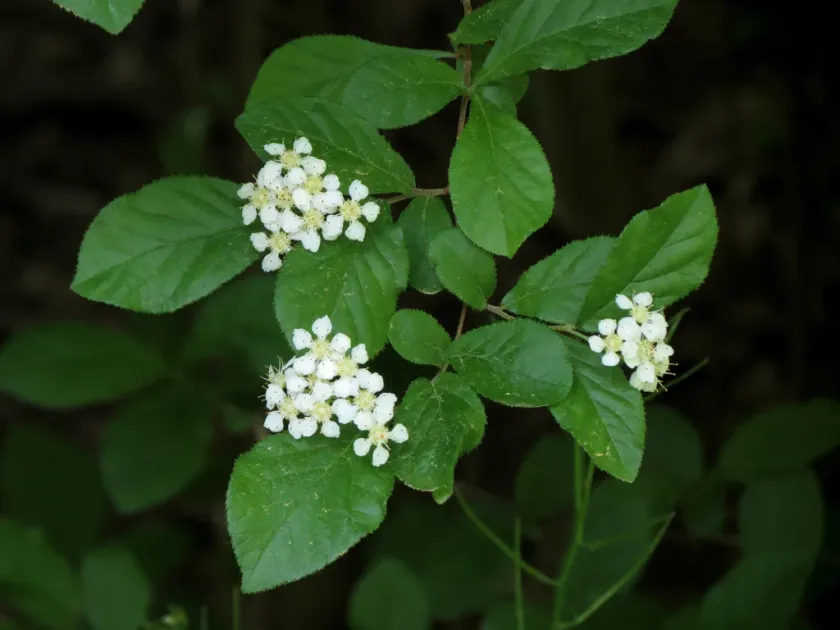
Photinia x fraseri is a popular evergreen hybrid shrub belonging to the Rosaceae family. It is a cross between Photinia glabra and Photinia serratifolia. This cultivar is widely recognized for its vibrant, bright red young foliage that contrasts beautifully with the mature, dark green leaves throughout the growing season.
The plant thrives in full sun to partial shade, favoring locations that are sheltered from harsh winds. While it is hardy in many temperate climates, it generally requires protection during extreme winter frosts. In regions with harsh winters, it is often grown in containers to allow for relocation to a sheltered area during the dormant period.
Regarding soil, Photinia x fraseri requires well-drained, fertile soil with a pH ranging from slightly acidic to neutral. Ensuring good drainage is critical, as the plant is susceptible to root rot if waterlogged. Integrating organic matter into the planting site during initial installation enhances long-term vigor.
Cultivation practices involve regular irrigation, especially during dry spells, and moderate fertilization in early spring. The plant benefits from consistent moisture, but the surface of the soil should be allowed to dry slightly between waterings to maintain a healthy root system.
Pruning is essential for maintaining the desired shape and promoting the growth of new, vibrant red foliage. It is best performed in late spring or early summer after the initial flush of growth. Regular shearing helps create dense hedging, which is one of the primary landscape applications for this robust plant.
Main diseases and pests
The most significant disease affecting Photinia x fraseri is Entomosporium leaf spot, caused by the fungus Entomosporium mespili. This pathogen creates reddish-brown spots with grey centers on the leaves, leading to leaf drop. Prevention includes improved air circulation and the application of appropriate fungicides during humid periods.
Fire blight, caused by the bacterium Erwinia amylovora, poses a severe threat to the Rosaceae family. Infected shoots wilt and die back rapidly, resembling fire damage. Strict sanitation, including the removal and destruction of infected wood at least 20-30 cm below the visible damage, is the primary management strategy.
Insect pests such as aphids and vine weevils can damage young foliage and root systems, respectively. Early detection through regular monitoring is key. If infestations occur, systemic insecticides or targeted biological treatments should be employed to mitigate damage and maintain the shrub's aesthetic quality.
Physiological disorders, such as iron chlorosis, may occur in soils with a high pH or poor drainage. This condition manifests as yellowing leaves with distinct green veins. Soil amendment with iron chelates or lowering the pH can often resolve the issue if drainage is also corrected.
Overall plant health is highly dependent on environmental management. Providing sufficient space between plants for airflow and avoiding overhead irrigation can significantly reduce the incidence of both fungal and bacterial diseases, ensuring the long-term success of the planting.