
Lindman's Hawthorn
Crataegus lindmanii
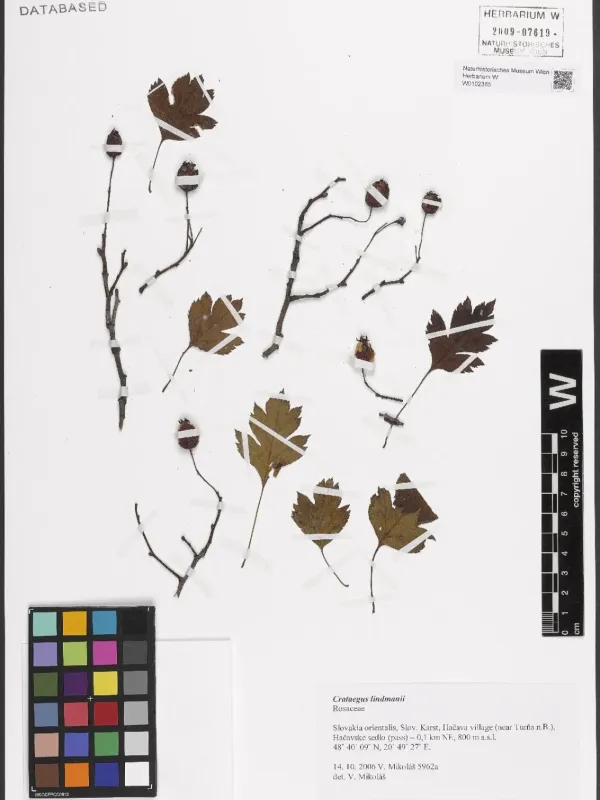
Description
Growing requirements
Lindman's Hawthorn (Crataegus lindmanii) is a perennial woody plant belonging to the Rosaceae family. This species is valued for its hardiness and its role in both ornamental landscaping and herbal medicine production.
It thrives in temperate regions, showing a preference for sunny sites where the plants can receive at least six to eight hours of direct sunlight daily. Exposure to light is crucial for maximizing fruit set and sugar accumulation in the berries.
The plant is not overly demanding regarding soil type, provided that the ground is fertile and possesses good drainage characteristics. A pH range between 6.0 and 7.5 is considered optimal for nutrient uptake.
Water requirements are moderate. Once established, the root system is capable of sourcing moisture from deeper soil layers, allowing the shrub to tolerate dry spells effectively throughout the growing season.
Annual growth can be supported by moderate applications of organic compost or balanced fertilizers. Proper spacing is essential to ensure adequate airflow between plants, which is a key factor in long-term health and disease management.
Main diseases and pests
The primary diseases affecting this crop include powdery mildew and rust, which are common issues for most members of the Rosaceae family. These infections can severely impact foliage quality if left untreated.
Pest management focuses on controlling aphids, hawthorn leaf miners, and scale insects. These pests can cause direct damage to the leaves and fruits, often requiring localized insecticide applications during the active growth phase.
Cultural control, such as removing infested plant debris and maintaining strict sanitation in the orchard, is highly recommended to keep populations of harmful insects at manageable levels.
Bacterial fire blight is a significant concern; it requires rigorous monitoring. Any branches showing wilting symptoms should be pruned back to healthy wood and tools must be disinfected with alcohol between cuts.
In addition to regular monitoring, selecting disease-resistant cultivars and maintaining proper plant vigor through consistent irrigation and nutrition are the best strategies for preventing major outbreaks.