
Leucosidea sericea
Leucosidea sericea
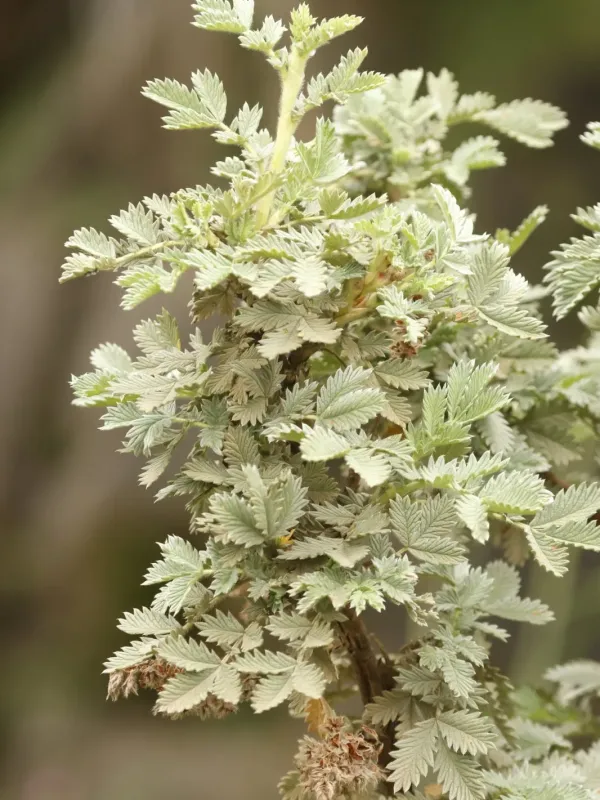
Description
Growing requirements
Leucosidea sericea, commonly known as oldwood, is a hardy evergreen shrub or small tree belonging to the Rosaceae family. It is characterized by its silver-hairy foliage and dense growth habit, reaching heights of up to 7 meters in ideal conditions.
The species is native to the high-altitude regions of Southern Africa, including South Africa and Lesotho. It naturally thrives in diverse habitats such as riverbanks, mountain slopes, and grassland valleys, demonstrating significant ecological plasticity.
Regarding soil requirements, the plant is adaptable to various soil types including rocky, acidic, and poor-nutrient soils. However, it exhibits superior growth performance in well-drained, fertile substrates that allow for deep root penetration.
Climatic requirements are centered on the plant's ability to withstand frosty conditions and seasonal dry spells. It is a light-demanding species, necessitating full sun exposure for optimal foliage density and overall plant vigor.
Agricultural use of Leucosidea sericea is primarily focused on soil conservation and land restoration. Its extensive root system makes it an excellent choice for stabilizing steep terrain, while its leaves are studied for medicinal properties, particularly as traditional anthelmintics.
Main diseases and pests
Leucosidea sericea is notably resistant to most conventional pests due to its complex biochemical profile. The presence of phenolic compounds and volatile oils provides a natural chemical barrier against many common herbivores.
The primary threat to the longevity of the plant is root rot caused by poor soil drainage. When the root zone remains waterlogged for extended periods, the plant becomes susceptible to opportunistic fungal pathogens.
Powdery mildew can occasionally affect plants grown in conditions with high humidity and poor air circulation. Ensuring adequate spacing between individual plants is the most effective preventative measure against this leaf disease.
Young saplings may be sensitive to intense competition from aggressive weeds, requiring periodic manual clearing during the establishment phase. Once the plant is mature, its dense canopy effectively shades out competing undergrowth.
Disease management should focus on cultural practices rather than chemical interventions. Pruning dead or diseased branches annually maintains plant hygiene and promotes healthy air flow through the crown.