
Leafy blackberry
Rubus frondosus
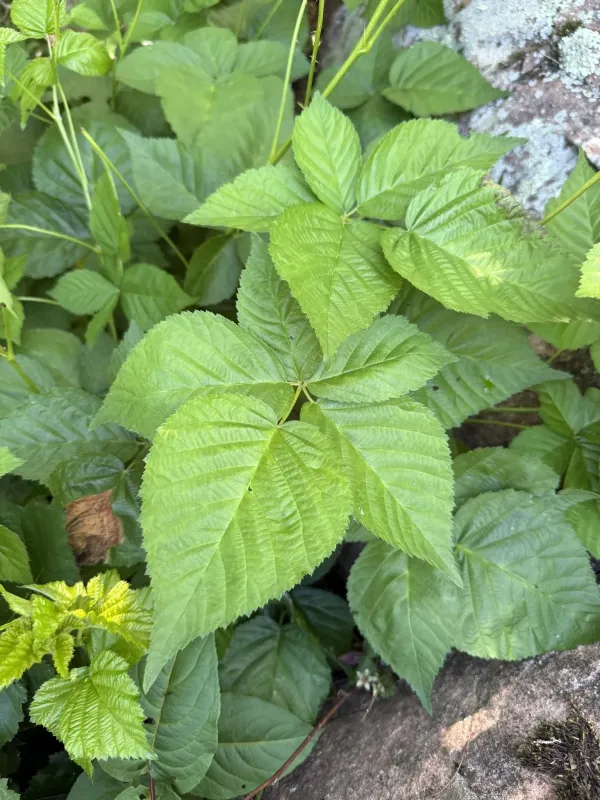
Description
Growing requirements
Leafy blackberry (Rubus frondosus) is a perennial shrub belonging to the Rosaceae family. Native to North America, it is recognized for its vigorous growth habit and ability to thrive in various temperate environments.
The plant requires full sun exposure to reach its maximum productive potential. While it can adapt to light shade, exposure to direct sunlight is crucial for ensuring high fruit quality and sweetness during the ripening season.
Soil conditions are critical for this species. It performs best in well-drained, fertile loams with a slightly acidic to neutral pH. Proper soil preparation before planting is essential for long-term plant health.
Adequate water supply is necessary, especially during the fruit-set and berry-enlargement stages. Drip irrigation systems are highly recommended to keep the foliage dry, which helps reduce the risk of foliar diseases.
Agricultural practices include trellising, which facilitates better light penetration and airflow through the canopy. Regular pruning of primocanes and floricanes is necessary to maintain plant vigor and manage the growth density.
Yield
The productivity of Rubus frondosus depends on consistent nutrition and proper site management. With optimized agricultural inputs, a mature plantation can provide significant yields for many years.
Main diseases and pests
The most common disease threats include rust, anthracnose, and cane blight, which are often exacerbated by high humidity and lack of proper air circulation within the patch.
Pest management is focused on controlling aphids, mites, and various beetles that target the leaves and buds, potentially reducing total annual fruit production.
Integrated pest management (IPM) strategies, including monitoring and biological control, are highly recommended to minimize the reliance on chemical treatments.
Proper sanitation, including the removal of infected canes and debris during the winter pruning session, is a key step in reducing the overwintering population of pathogens.
Monitoring the plant for signs of nutritional stress is also important, as healthy plants show higher natural resistance to common garden pests and local diseases.
Harvesting
Harvesting is typically done by hand over several weeks, selecting berries that have reached full color and firmness to ensure the best market quality.