
Docynia delavayi
Docynia delavayi
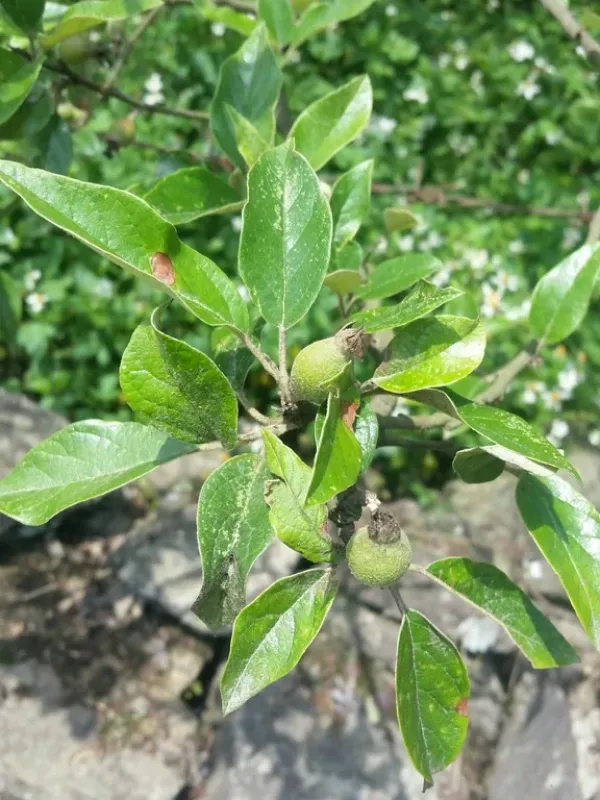
Description
Growing requirements
Docynia delavayi is a remarkable tree species belonging to the Rosaceae family. It is valued for its unique fruit and distinct ecological role, characterized by a robust growth habit and ornamental potential in temperate to subtropical climates.
The native range of this species is centered in the mountainous provinces of Southern China. Growing naturally at high altitudes, the tree is adapted to environments with frequent mist and moderate humidity levels throughout the year.
Successful cultivation requires soil that is rich in organic matter and maintains excellent drainage. While it tolerates various soil types, a loamy texture with a slightly acidic profile is considered optimal for the long-term health and productivity of the tree.
Climate management is crucial, as the tree prefers mild temperatures. It performs best in locations where extreme winter frosts are avoided, and summer heat is tempered by sufficient moisture and air circulation within the orchard spacing.
In terms of agricultural use, Docynia delavayi is primarily cultivated for its fruits. These are typically harvested and used in regional culinary traditions, particularly for making preserves, dried fruit products, and natural infusions due to their chemical composition.
Main diseases and pests
The health of Docynia delavayi is often challenged by common orchard pests such as aphids and scale insects. These pests can severely weaken young trees by extracting phloem sap and promoting the development of sooty mold on the foliage.
Fungal pathogens remain a persistent threat, with scab and powdery mildew being the most common issues. These diseases thrive in humid, stagnant air, necessitating diligent pruning to maintain crown transparency and promote quick leaf drying after rain.
Integrated Pest Management (IPM) strategies are highly recommended to protect the crop. This involves monitoring pest life cycles and applying treatments only when threshold levels are met to preserve beneficial insect populations in the vicinity.
In cases of severe infection, surgical removal of affected branches is necessary to prevent the spread of pathogens. Disinfection of pruning tools between trees is a vital step in maintaining overall orchard hygiene.
Nutritional stress can also leave the tree vulnerable to secondary infections. Ensuring an adequate supply of potassium and magnesium helps maintain strong cell walls, making the tree more resilient against both environmental stressors and biological threats.