
Purple chokeberry
Aronia prunifolia
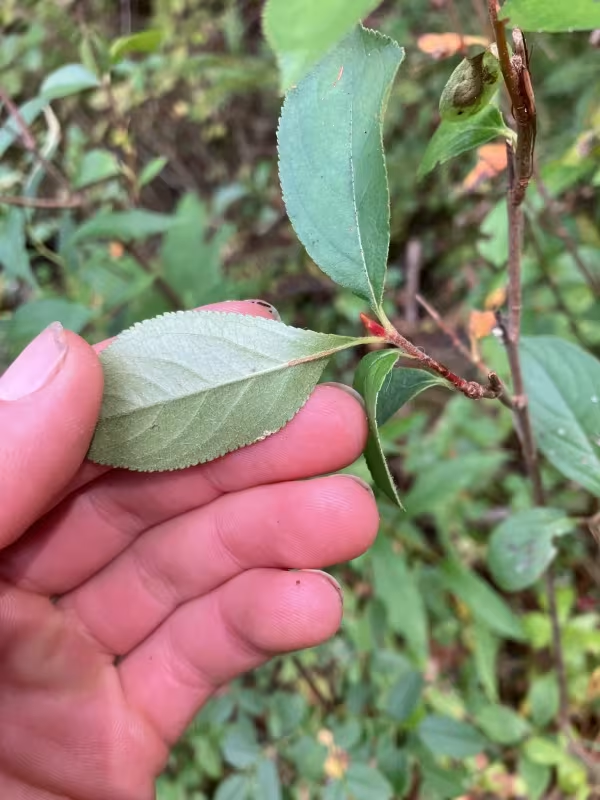
Description
Growing requirements
Purple chokeberry (Aronia prunifolia) is a deciduous shrub in the Rosaceae family. It is a natural hybrid known for its versatility in both ornamental landscaping and commercial fruit production.
The plant thrives in full sun to partial shade, showing remarkable adaptability to different soil types, including moist and slightly acidic soils. It is particularly valued for its tolerance to various environmental conditions.
Climatic requirements are relatively broad, as the shrub is exceptionally hardy and can withstand freezing temperatures during winter. This makes it a popular choice for gardens across diverse climate zones.
Agricultural management requires consistent maintenance of the root zone, including mulching to preserve moisture. While it is hardy, young plants need regular irrigation during their first years of establishment.
Annual pruning is essential to maintain the vigor of the shrub. Removing dead or crossing branches promotes better airflow, which is critical for the overall health of the plant and its fruit production potential.
Yield
The fruits of Aronia prunifolia are small, dark purple-to-black berries that grow in clusters. They are highly appreciated for their antioxidant properties and unique, tart flavor profile.
Commercial utilization of the crop involves processing berries into jams, juices, wines, and health supplements. Due to their high pigment content, they are also used as natural food colorants.
An established shrub typically yields several kilograms of berries per season, starting from the third or fourth year after planting. Productivity is enhanced by providing optimal sunlight and nutrient-rich soil.
Harvesting is usually done when the berries are fully mature and reach a deep dark color, typically in late summer or early autumn. The berries have a good shelf life if stored in cool conditions.
Yield stability is a key advantage of this species. With basic care, purple chokeberry can provide a reliable source of fruit, making it an excellent candidate for small-scale commercial berry farms.
Main diseases and pests
Purple chokeberry is generally known for its high resistance to pests and diseases. However, in poorly ventilated or excessively humid conditions, leaves may be susceptible to fungal infections like leaf spot.
Occasional infestations of aphids or spider mites may occur on young, tender growth. These are usually managed through simple horticultural practices or targeted biological control methods.
Effective prevention strategies include keeping the area around the shrub clear of debris and ensuring that the crown has enough space to facilitate proper air circulation, which prevents pathogen development.
Monitoring the plant during the growing season is crucial. Early detection of any irregular spots on leaves or presence of insects allows for immediate intervention, preserving the overall yield.
- Maintain good garden hygiene to remove wintering sites for pests.
- Use appropriate organic insecticidal soaps if an outbreak occurs.
- Ensure balanced fertilization to prevent weak growth susceptible to pests.