
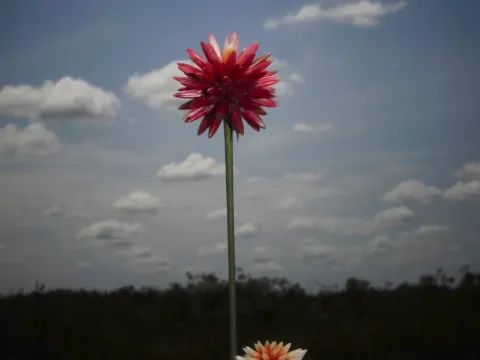
Schoenocephalium
Schoenocephalium
Schoenocephalium is a genus of perennial herbaceous plants belonging to the Rapateaceae family. These plants are primarily native to the tropical ecosystems of South America, with a concentration in the Guiana Shield and the Amazon basin, where they thrive in specialized environments.
What the section contains

Schoenocephalium
The culture requires a stable tropical climate characterized by high humidity and consistent temperatures throughout the year. It does not possess adaptations for dormancy, making it highly sensitive to cold snaps or prolonged dry spells, which are atypical for its natural habitats.
Soil requirements for the plant include highly acidic substrates that are rich in organic matter but maintain excellent drainage properties. In the wild, they are often found in waterlogged conditions near rivers, where the root system receives oxygen despite the high water content.
Agrotechnical management in controlled environments involves the precise simulation of rainforest conditions. This includes filtered sunlight, as the foliage is adapted to the understory or semi-shaded riverbank environments, avoiding intense direct exposure during peak solar hours.
Botanically, Schoenocephalium is distinguished by its basal rosette of tough, linear leaves and its distinct floral heads supported by elongated peduncles. The reproductive structure is highly evolved to facilitate cross-pollination by specific insects, reflecting the plant's long evolutionary history in tropical niches.