
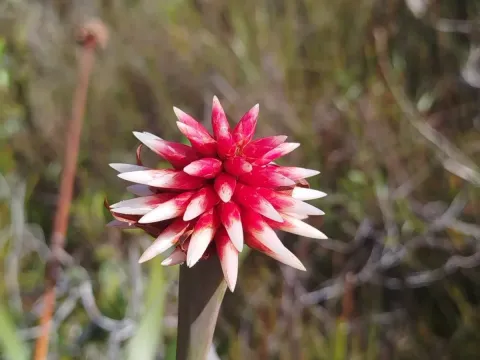
Guacamaya
Guacamaya
Guacamaya, which is a unique breeding selection, is sown mainly in the spring period when soil temperatures reach 12–15 degrees Celsius for optimal germination.
What the section contains

Guacamaya
To ensure uniform emergence, seeds require preparation, including treatment with growth stimulants and fungicides to enhance early growth energy.
The sowing depth depends on soil structure and typically ranges from 4 to 6 centimeters, ensuring the seed has sufficient moisture for consistent development.
Sowing patterns must account for proper air circulation to minimize the risk of fungal infections during the sensitive early growth stages of the plant.
Crop rotation is a mandatory practice, and it is recommended not to return the crop to the same field for at least 3–4 years to prevent soil-borne pathogens.
The crop has high light requirements and prefers well-lit areas without shading to ensure efficient photosynthesis and healthy plant development.
Ideal soil pH ranges from 6.0 to 7.0, with a preference for fertile, well-draining loamy soils that are rich in organic matter and nutrients.
Moisture requirements vary by growth stage: while regular irrigation is crucial during active growth, excessive water can lead to root rot and other issues.
A moderate temperature climate is required; cold snaps during the seedling stage can significantly damage or kill the young plants, reducing yield potential.
The crop responds well to mineral fertilizers, particularly nitrogen-phosphorus complexes, which support vegetative mass development throughout the season.
The total yield of Guacamaya depends on the intensity of agrotechnological practices, including timely fertilization and effective weed management.
Under optimal growing conditions, productivity can reach impressive levels, making the crop an economically attractive option for modern farmers.
Factors limiting yield include micronutrient deficiencies during critical development phases and adverse weather conditions during the seed maturation period.
Regular monitoring of field status allows for timely adjustments to management practices, which significantly impacts the final harvest quality and volume.
Variety selection is paramount, as quality seeds form the foundation for a successful and profitable agricultural cycle in any given region.
Primary threats to this crop include fungal diseases such as anthracnose and powdery mildew, which thrive in humid and poorly ventilated conditions.
Pests, such as bean weevils and various aphid species, can cause significant damage by feeding on leaves and attacking the generative parts of the plant.
Preventative strategies include the application of systemic fungicides and integrated pest management systems designed to reduce reliance on chemicals.
Timely identification of viral infections transmitted by insect vectors is essential for isolating infected plants and protecting the remainder of the crop.
Biological control methods, such as utilizing beneficial insects, are becoming increasingly popular in sustainable agricultural practices globally.
Harvesting is performed at the stage of full technical maturity, when pods reach their characteristic color and seed moisture content decreases to safe levels.
Minimizing losses is crucial, as harvesting too late can result in pod shattering and seed dispersal, leading to significant yield reduction in the field.
Mechanical harvesting requires precise equipment calibration to prevent grain damage, which is vital for maintaining the market value of the harvested crop.
Post-harvest processing, including cleaning and drying to standard moisture levels, is necessary to ensure long-term storage safety and product quality.
Proper storage facilities with temperature and humidity controls are required to maintain the crop’s integrity until it reaches the final consumers.