
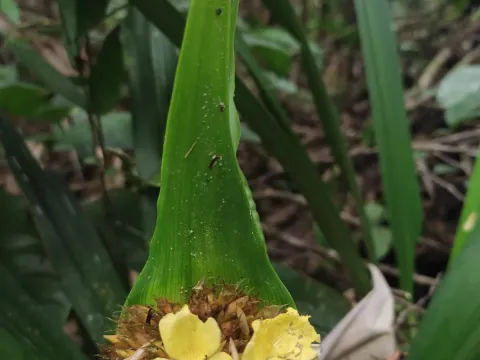
Rapatea
Rapatea
Rapatea is a genus of monocotyledonous flowering plants belonging to the Rapateaceae family. These perennial herbs are native to the tropical regions of South America, particularly thriving in humid lowland forests and wet plateaus.
What the section contains

Rapatea
Cultivation of Rapatea requires a highly specialized environment that mimics its natural habitat. The plant demands constant high humidity, making it an ideal candidate for professional greenhouses or conservatories with controlled climates.
The ideal soil substrate should be acidic, moisture-retentive, yet aerated enough to prevent waterlogging. A mixture containing peat, pine bark, and perlite is generally recommended to provide the necessary structure for root growth.
Regarding light, Rapatea prefers bright, indirect light. Prolonged exposure to intense, direct sunlight can cause significant tissue damage, while deep shade will prevent the plant from blooming and significantly stunt its vegetative development.
Temperature management is vital; the plant thrives within a narrow range of 22 to 28 degrees Celsius. Any exposure to frost or temperatures below 15 degrees Celsius can cause irreversible damage to the plant's vascular system.
Root rot is the most common threat to Rapatea, usually caused by improper irrigation or poor drainage. Maintaining a careful balance between moisture and aeration in the potting mix is the best preventative measure against fungal pathogens.
Spider mites are common pests that target Rapatea in environments with inadequate air circulation or low humidity. Regular inspection of the leaf undersides is crucial for early detection and mitigation of infestation.
Mealybugs can also infest the leaf bases and crown of the plant, drawing nutrients and weakening the overall structure. Manual removal combined with systemic insecticidal treatments is often necessary to clear severe infestations.
Nutrient deficiency or pH imbalance can lead to chlorosis, where the leaves lose their vibrant green color. Soil testing is recommended to ensure that the micronutrient profile meets the specific needs of the Rapateaceae family.
Sanitation is key to preventing the spread of diseases within a collection. Regularly removing dead or decaying leaf matter prevents the accumulation of fungi and bacteria that could otherwise threaten the health of the entire plant.