
Schoenocephalium teretifolium
Schoenocephalium teretifolium
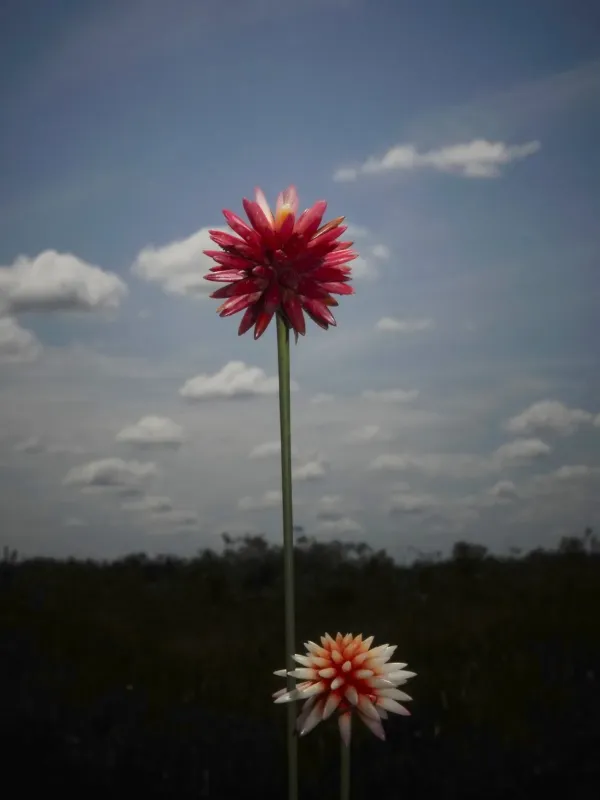
Description
Growing requirements
Schoenocephalium teretifolium is a distinctive plant species belonging to the family Rapateaceae, native to the isolated high-altitude tablelands known as tepuis in South America, primarily within Venezuela. It is adapted to thrive in highly specialized ecological niches.
This species is specifically adapted to nutrient-poor, acidic, and sandy soils that are common in its natural highland habitat. It requires a constant, high level of ambient humidity and moderate temperatures, as the tropical climate of these high-altitude regions does not experience significant seasonal variations.
Botanically, it is recognized by its dense, basal rosettes of rigid, terete (cylindrical) leaves, which are structurally designed to withstand high winds and intense UV radiation while minimizing moisture loss. The plant produces unique inflorescences that are characteristic of the Rapateaceae family.
Regarding cultivation requirements, the species is considered extremely challenging to grow outside of its native ecosystem. Successful maintenance requires strict control over pH levels in the substrate, as well as high-quality drainage systems to mimic the natural rocky habitats where it is found.
The economic and agricultural utility of Schoenocephalium teretifolium remains minimal, as it is primarily a subject of botanical study and ecological preservation efforts. It serves as an indicator species for the unique biodiversity found in the threatened environments of the Guiana Highlands.