
Rapatea paludosa
Rapatea paludosa
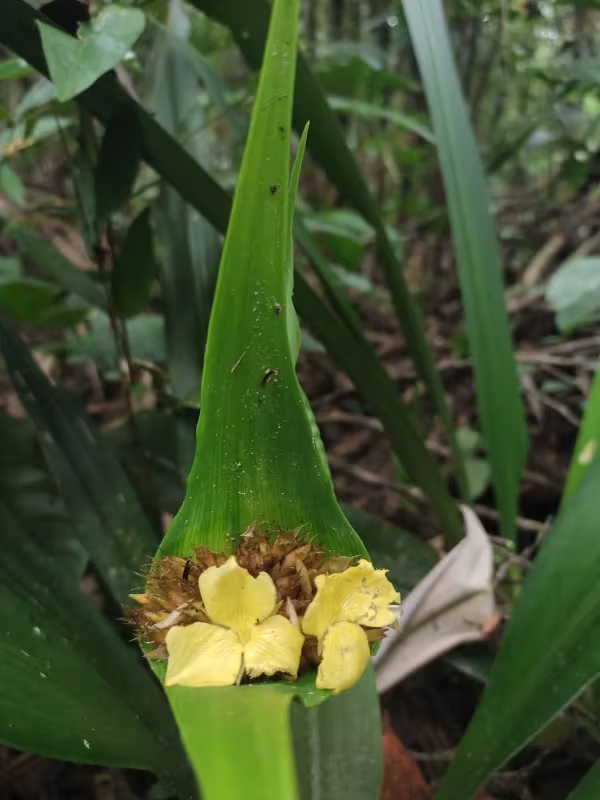
Description
Growing requirements
Rapatea paludosa is a perennial herbaceous plant belonging to the Rapateaceae family. It is native to the tropical regions of South America, specifically thriving in the Amazon basin and the Guiana Highlands, where it naturally colonizes wet habitats.
The plant is specifically adapted to extremely moist conditions such as marshes, swamps, and riverbanks. As a characteristic member of tropical rainforest flora, it requires consistently high humidity levels to maintain its physiological functions and leaf turgor.
For successful cultivation, this species demands acidic, organic-rich soil that remains waterlogged or saturated throughout the growing season. Rapatea paludosa exhibits specialized root adaptations that allow it to flourish in conditions that would cause rot in many other terrestrial plant species.
The ideal climate for this crop mimics the tropical environment, requiring stable temperatures between +22°C and +28°C. The plant is highly sensitive to thermal stress and cannot tolerate temperatures dropping below +15°C, making greenhouse protection essential in cooler climates.
Currently, the economic use of Rapatea paludosa is limited to ornamental and botanical research purposes. It is valued primarily by botanical gardens and collectors of rare tropical flora for its unique structural appearance and architectural foliage.