
Guacamaya superba
Guacamaya superba
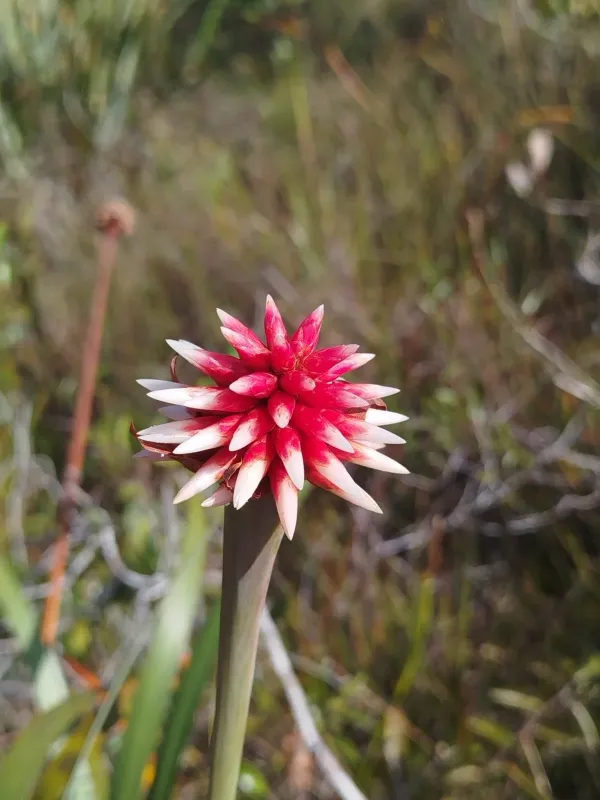
Description
Growing requirements
Guacamaya superba is a distinctive herbaceous plant belonging to the Xyridaceae family. Native to the tropical regions of South America, this species thrives in humid environments, typically found in marshes, wetlands, and saturated floodplains where water is constantly available.
The climate requirements for this culture are strict, demanding temperatures consistently between 22 and 28 degrees Celsius. Any significant drop in temperature or prolonged periods of drought can lead to growth inhibition or total plant failure, making greenhouse or controlled environment management essential.
Soil quality is paramount for the health of Guacamaya superba. The substrate must be highly acidic and possess excellent moisture-retention properties. Growers typically utilize specialized peat-based mixes that mimic the natural acidic bogs of its native habitat.
Botanically, the plant is characterized by its stiff, sword-shaped foliage organized in a basal rosette, and tall, striking inflorescences. These features have evolved to ensure survival and reproductive success in highly competitive, resource-rich tropical ecosystems.
The main agricultural and horticultural use of this plant is for ornamental purposes. Its unique aesthetic makes it a sought-after specimen for botanical gardens, specialized greenhouse collections, and enthusiasts focused on rare tropical flora that require specific hydric management.
Main diseases and pests
Pathogenic threats are primarily associated with fungal infections that arise in stagnant, poorly ventilated conditions. Effective management requires rigorous hygiene in the nursery, specifically focusing on water quality and preventing the accumulation of debris in the basal rosette area.
Pests such as spider mites and mealybugs present a continuous risk in greenhouse environments. Integrated Pest Management (IPM) strategies, including biological controls and environmental regulation, are recommended to protect the crop throughout its developmental stages.