
Chinese globeflower
Trollius chinensis Bunge
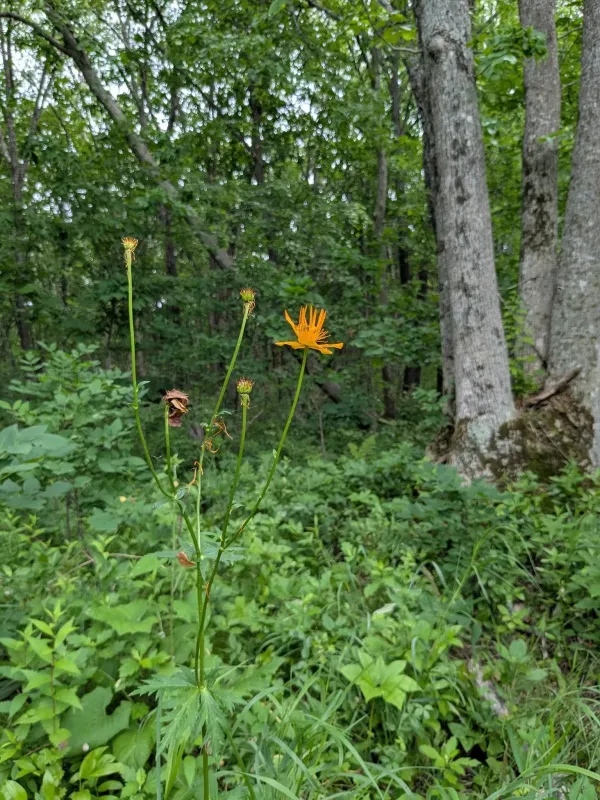
Description
Sowing dates
Seeds of the Chinese globeflower are characterized by dormancy, so the most effective propagation method involves sowing fresh seeds immediately after harvest in late summer. This allows the seeds to undergo natural stratification in the soil during the winter months, ensuring optimal spring germination.
For outdoor sowing, prepare a seedbed with rich, moist soil and place the seeds about 1-2 centimeters deep. It is essential to maintain soil moisture throughout the autumn; if the ground dries out before winter, the embryo may lose viability, resulting in poor emergence in the following year.
When using the indoor sowing method, artificial stratification is mandatory. Place the seeds in a damp medium, such as sand or vermiculite, and store them at temperatures between 0 and +4 degrees Celsius for at least 8 to 12 weeks before moving them to a warmer environment for germination.
Seedlings develop slowly and require careful attention during their first year. Keep them in a shaded area protected from direct sun and ensure constant moisture, as young globeflowers are extremely sensitive to drought and heat stress during the establishment phase.
Division of mature clumps is the most reliable way to propagate established plants. Perform this operation in early spring before new growth begins or in late summer after flowering. Carefully lift the rhizome and divide it into sections, ensuring each piece has healthy buds and strong roots.
Growing requirements
The Chinese globeflower is a perennial belonging to the Ranunculaceae family, naturally found in meadows and moist forest margins across East Asia. It thrives in temperate conditions and is highly adapted to sites where the water table is relatively high.
Choose a planting site that receives partial shade or full sun with consistent moisture. While the plant can tolerate full sunlight in cooler climates, it requires protection from intense midday sun in hotter regions to prevent leaf scorching and rapid transpiration.
Soil quality is paramount for this species. It performs best in heavy, moisture-retentive, humus-rich soils with a near-neutral pH. Avoid planting in light, sandy substrates unless they are heavily amended with organic matter like peat or well-rotted compost to increase water capacity.
The plant is exceptionally winter-hardy and requires no special protection in cold climates. However, in regions prone to severe frost without significant snow cover, applying a layer of organic mulch around the base of the plant helps maintain soil temperature stability and protects the crown.
Ongoing maintenance involves regular watering throughout the growing season, especially during bloom. Removing faded flower stalks encourages energy reserves to shift to the root system, which helps the plant prepare for the next season and maintains the visual cleanliness of the garden bed.
Main diseases and pests
Fungal diseases, particularly leaf spots and powdery mildew, are the most common threats to the Chinese globeflower. These pathogens thrive in high humidity and stagnant air, so maintaining proper spacing between plants is crucial for ensuring adequate airflow and reducing the risk of infection.
Pests such as aphids and spider mites can infest the foliage during hot, dry spells, feeding on plant sap. This results in yellowing, leaf deformation, and a decline in overall plant health. Integrated pest management, including the use of neem oil or biological soaps, is recommended.
Soil-dwelling insects, including beetle larvae, may cause damage to the roots, which can be fatal for the plant. Regularly cultivating the soil around the plants and removing weeds helps to disrupt the life cycles of these pests and encourages stronger root development.
To prevent disease outbreaks, sanitation is essential. Remove and destroy any infected foliage immediately upon detection to prevent the spread of spores. Keeping the garden bed free of dead plant matter significantly lowers the overall pathogen pressure on the site.
When necessary, apply fungicides specifically formulated for ornamental perennials to combat persistent fungal issues. Always follow the manufacturer's instructions regarding concentration and timing to ensure both the efficacy of the treatment and the safety of the plant.