
Nuttall's larkspur
Delphinium nuttallianum
Description
Sowing dates
Sowing seeds of Delphinium nuttallianum is most effective when done in late autumn or early spring. The seeds require a period of cold stratification to break dormancy, mimicking the natural mountain climate conditions they are adapted to.
For spring sowing, it is recommended to keep the seeds in a moist medium at approximately +4°C for three to four weeks before placing them in germination trays. This step ensures more uniform and vigorous seedling growth.
Seeds should be covered lightly with a thin layer of soil or fine sand, as they need a minimal amount of light to germinate. Maintaining consistent moisture in the germination medium is crucial throughout this phase.
Transplanting young plants into the garden should be done after the risk of frost has passed. Early development is sensitive to fluctuations in moisture and temperature, so gentle handling is advised during this period.
Spacing is vital for healthy growth; maintaining 30-40 cm between individual plants encourages good airflow, which significantly reduces the risk of fungal infections and mildew outbreaks.
Growing requirements
Nuttall's larkspur is a member of the Ranunculaceae family, native to the western regions of North America. It is a hardy perennial typically found in subalpine meadows and open, well-draining mountain slopes.
The plant thrives in well-drained soil with a slightly acidic to neutral pH. It is essential to ensure that the site does not hold stagnant water, as the root system is highly susceptible to rot in boggy conditions.
This species prefers full sun exposure but may benefit from partial shade during the hottest part of the day in regions with intense summer heat. It is remarkably cold-hardy and can withstand significant winter temperatures.
Regular but moderate watering is necessary during the active growth phase. Applying a balanced mineral fertilizer in early spring and once more after the first flush of blooms will support continuous flower production throughout the season.
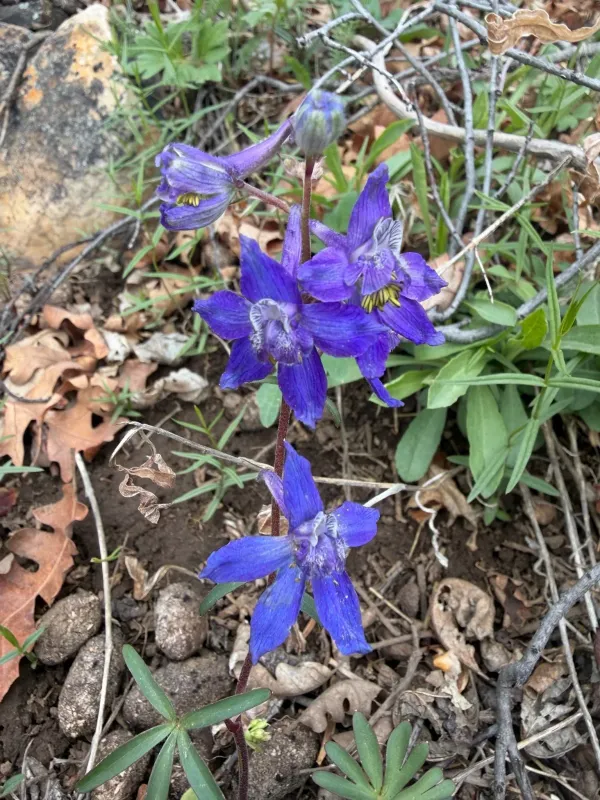
Botanically, it features slender, upright stems crowned with clusters of deep blue to purple flowers. The foliage is characteristically palmately lobed, forming a basal rosette that remains elegant throughout the season.
Main diseases and pests
Fungal diseases, specifically powdery mildew, are the most frequent threat to this species. High humidity combined with poor air circulation often creates the perfect environment for these pathogens to thrive.
Slugs and snails can cause significant damage to the plant, particularly in the spring when new growth is tender. Using gravel mulch or organic barriers can help prevent these pests from accessing the stalks.
Aphids occasionally infest the flower buds, causing stunted growth or distorted blooms. Regular monitoring allows for early intervention, often manageable through gentle washing or the use of mild horticultural soaps.
Viral infections can cause foliage mottling and growth suppression. Since these viruses are often spread by insects and lack a cure, the most effective management strategy is the prompt removal of affected specimens.
Maintenance and hygiene practices, such as removing debris and deadheading flowers, play a critical role in disease prevention. Keeping the garden bed clean helps minimize the overwintering of pathogens and pests.