
Clematopsis villosa
Clematopsis villosa
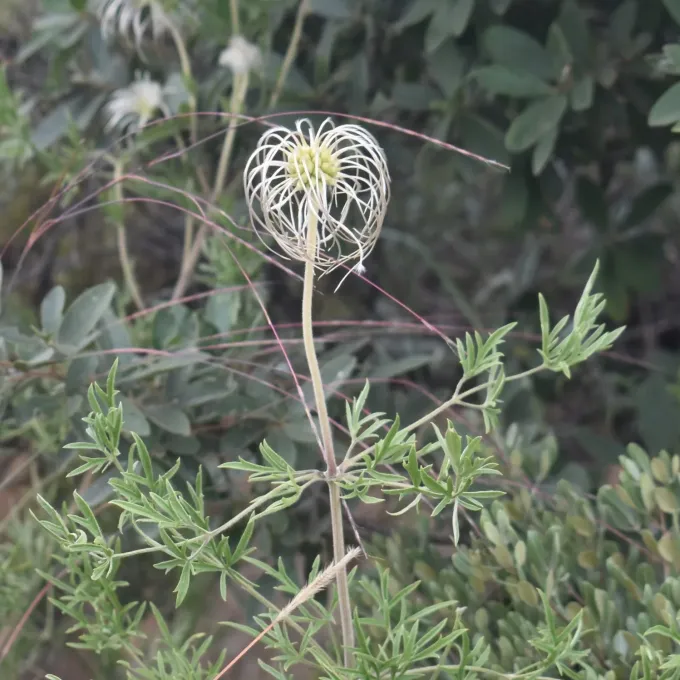
Description
Growing requirements
Clematopsis villosa is a perennial herbaceous plant belonging to the Ranunculaceae family. Native to the African savanna regions, this species is distinguished by its hairy, pubescent stems and leaves, which contribute to its resilience in diverse environmental conditions.
The crop thrives in well-drained, sandy-loam soils that allow for rapid moisture percolation. Because of its native adaptation to arid and semi-arid zones, it is highly intolerant of waterlogging, which often leads to root rot and systemic plant failure.
Optimal growth requires full sun exposure, as light intensity directly influences the plant's metabolic activity and secondary metabolite production. The plant is well-adapted to high-temperature regimes, showing little stress during extreme heatwaves typical of its natural habitat.
Agronomic practices for this species focus on maintaining soil structure and preventing compaction. Cultivation should emphasize light tillage, as the plant does not respond well to heavy disturbance of its root zone once it is established.
Nutrient requirements are modest compared to commercial row crops. However, occasional applications of organic compost can support vigorous growth during the onset of the rainy season, aligning with the plant’s internal developmental clock.
Main diseases and pests
Root diseases remain the primary threat to the longevity of Clematopsis villosa crops. Pathogens such as Pythium and Phytophthora can quickly devastate a population if the soil moisture levels are maintained above field capacity for extended periods.
Insects, particularly sap-sucking pests like aphids and spider mites, are common during the rapid vegetative growth phase. These pests not only reduce plant vigor but can also act as vectors for viral pathogens that cause leaf curling and chlorosis.
Leaf spot fungi can develop during periods of high humidity and poor ventilation. Keeping a proper planting distance between individual plants is essential to promote air circulation and decrease the likelihood of fungal spore germination.
Nutritional imbalances caused by pH-extreme soils can lead to micronutrient deficiencies. Ensuring the soil pH remains within the slightly acidic to neutral range is critical for maintaining efficient nutrient uptake throughout the growing season.
Weed management is vital in the early stages of cultivation, as Clematopsis villosa is a slow grower initially. Competitive pressures from aggressive grasses can easily suppress the crop, requiring vigilant weeding until the root system is fully matured.